— Restoration of the 1912 Koch & Höhmann organ —
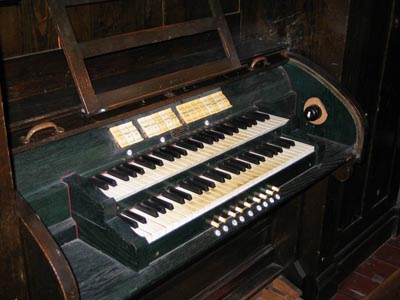
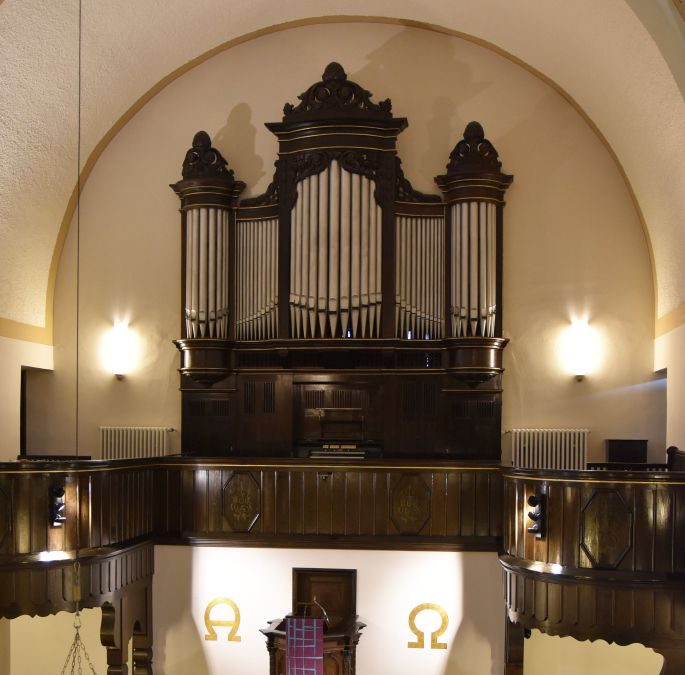
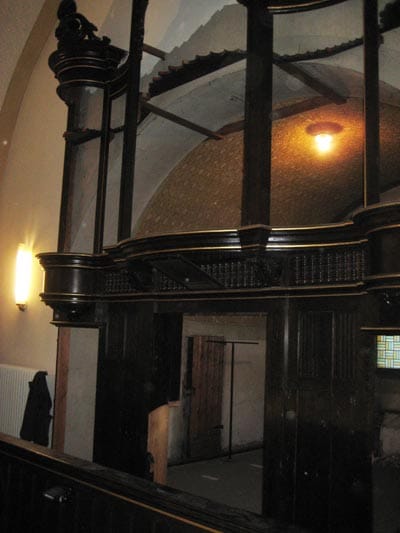
 The organ of company Koch & Höhmann built in 1912 forms a unity with altar and pulpit on the east wall of the church. This is probably also the reason that it remained untouched during the construction of the second organ on the opposite gallery.
However, this fortunate circumstance makes it possible to restore the original organ with its late-romantic sound and make it available to future generations in its original state.
The system of the organ is based on stop cell wind chests with disc valves and purely pneumatic key and stop action. This wind chest system is comparable to cone chests of the same era. The bodies of the wind chests had substantia cracks due to dryness.
The pipe work is original apart from 30 by us newly constructed pipes. 7 stops are off the predecessor organ of W.Sauer from 1889 and the remaining 9 stops come from Koch & Höhmann.
In the adjoining room on the organ loft are the double rise bellows with feeder (a large diagonal bellow with foot pedal) and the associated blower. Unfortunately, we could not play the organ before dismantling it, because on the one hand, the organ blower was no longer connected and on the other, the wind trunk between the bellows and the organ was so severely torn, that even with the help of the feeder bellow, no sufficient wind pressure could be generated.
Whether the organ was technically and accoustically ever satisfactory, could only be derived from witness reports. And these were usually not too positive. Console and housing showed the usual signs of wear, such as worn edges or off-type and unsightly mounted electrical devices. All internal organ parts were removed and restored in our workshops in Hellenthal. The completion of the work was celebrated on 3 December 2017 with great success.

some impressionen from the restoration of the organ
-
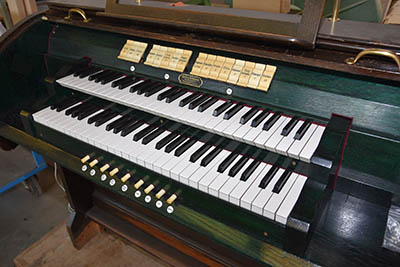
- Die neu belegten Klaviaturen im fertig restaurierten Spieltisch
-
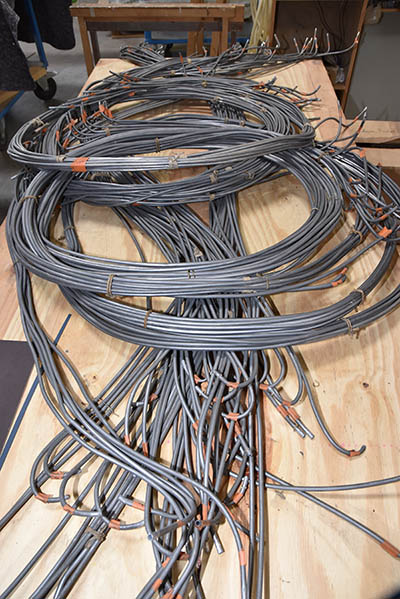
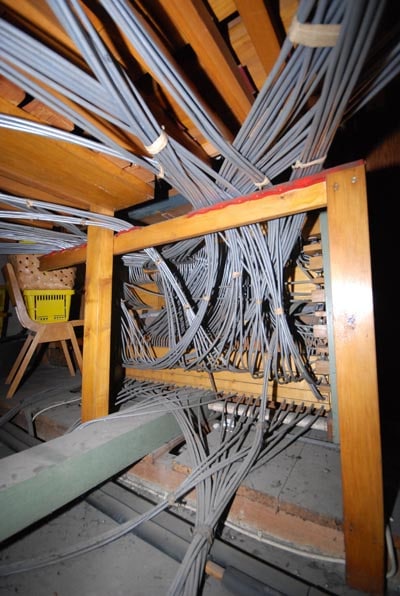
- Die Bleirohre der Pneumatiksteuerung werden mit Pressluft durchgeblasen und auf Knickstellen kontrolliert
-
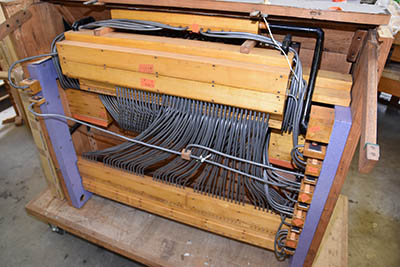
- Der Spieltisch ist kurz vor der Fertigstellung
-
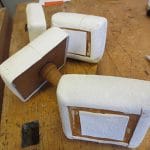
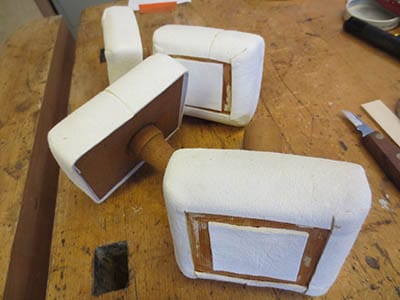
- Neubelederung der Stimmspunde der Holzpfeifen
-
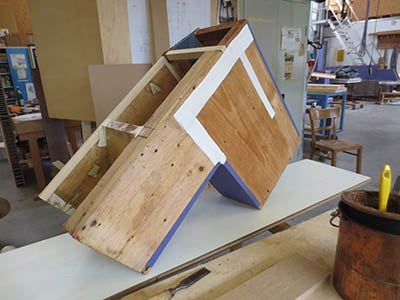
- Sämtliche Kanäle müssen neu papiert werden
-
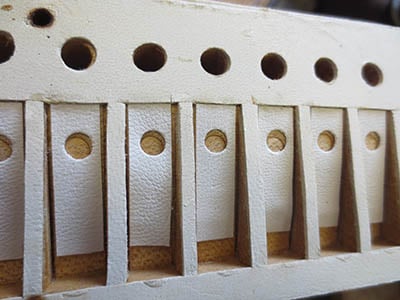
- Erneuerung der Rückschlagklappen aus einem Spieltischrelais
-
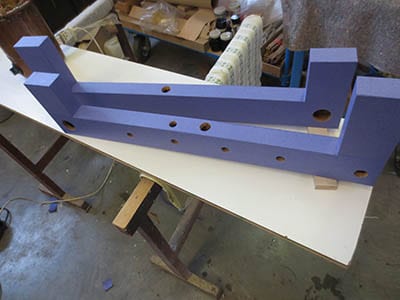
- Die Kanäle aus dem Spieltisch sind fertig papiert
-
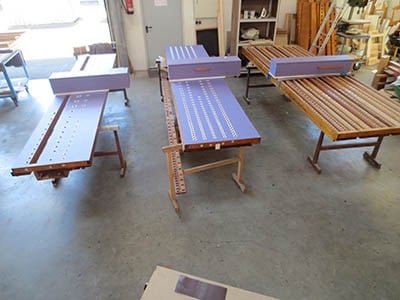
- Nach der Papierung der Kanzellen werden die Dichtungsringe aufgeleimt
-
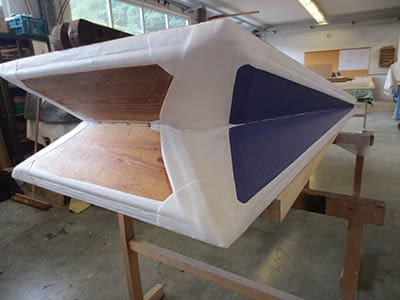
- Auch der Keil-Schöpfbalg ist bald fertig
-
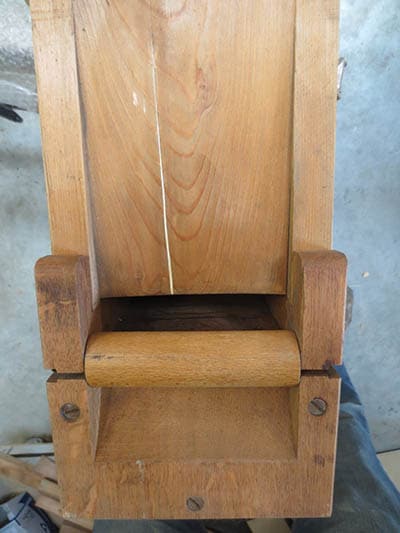
- Trocknungsrisse in den Oberlabien werden restauriert
-
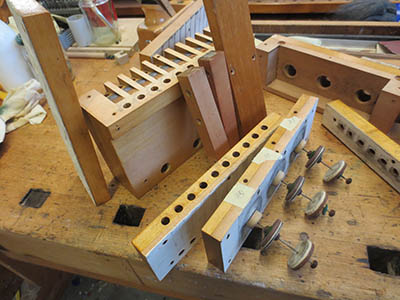
- Alle Relais und Ventile des Spieltischs werden restauriert
-
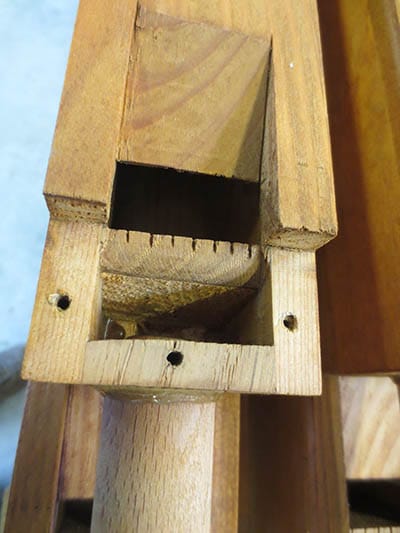
- Restaurierung der Holzpfeifen
-
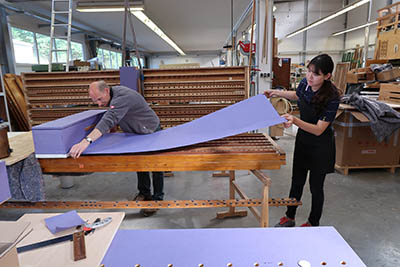
- Die Kanzellen werden wieder zupapiert
-
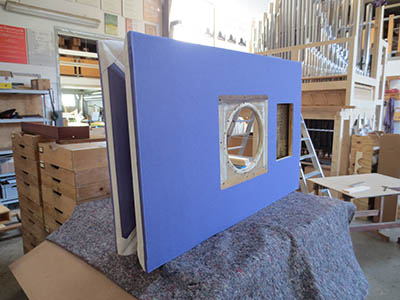
- Der erste Balg ist fertig
-
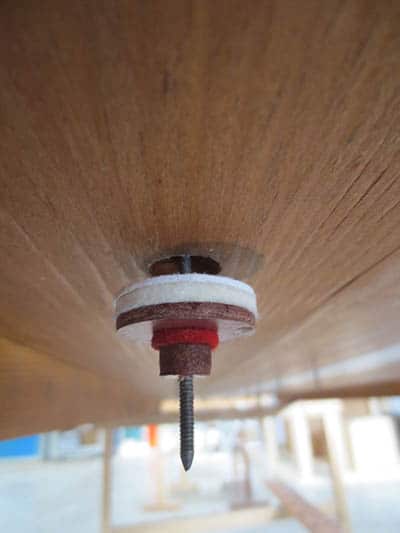
- Die Ventilbelederungen werden alle erneuert
-
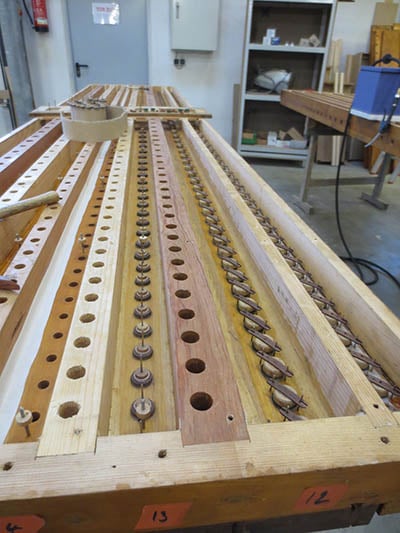
- Die zum Teil neu belederten Scheibenventile werden neu eingepaßt
-
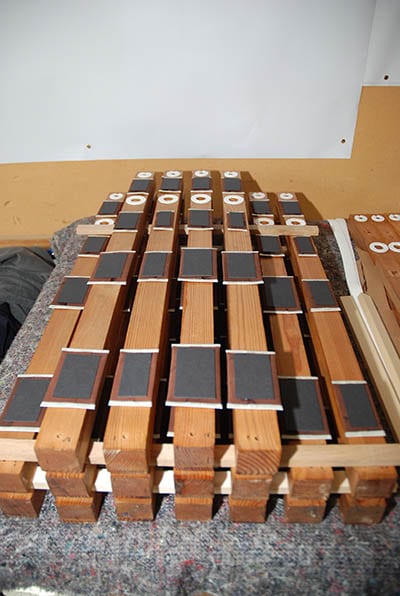
- Die neuen Ledermembranen sind aufgeleimt
-
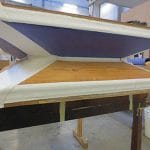
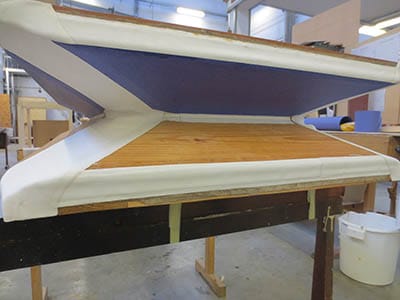
- Der Einfaltenparallelbalg ist bald fertig restauriert
-
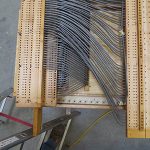
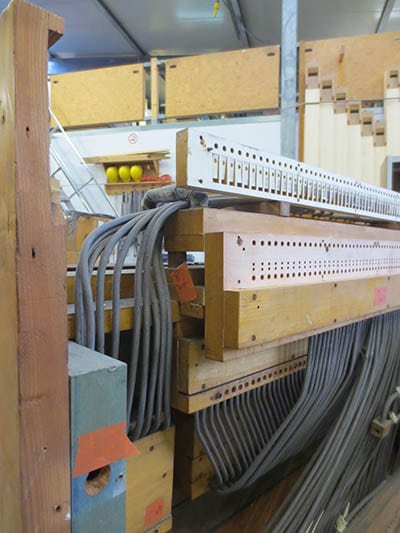
- Die Spieltischpneumatik ist freigelegt

-
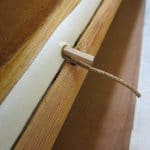
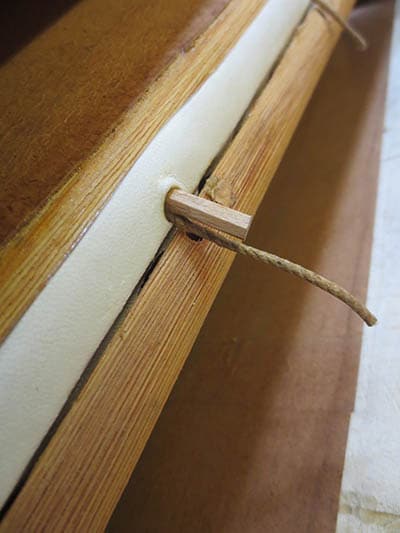
- Erneuerung der Balgflexen
-
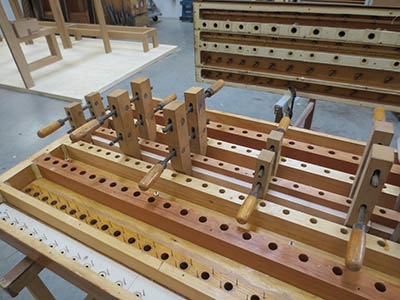
- gerissene Kanzellen werden wieder verleimt
-
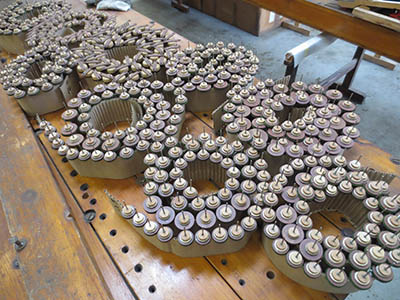
- Sämtliche Tonventilscheiben sind ausgebaut und systematisch aufgereiht
-
- Die komplexe Spieltischpneumatik wird vorsichtig ausgebaut
-
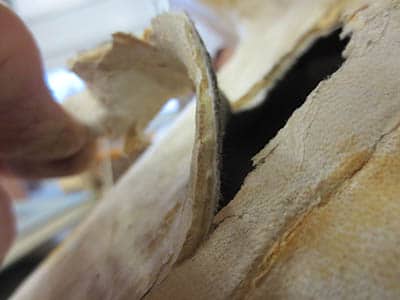
- Das alte Balgleder läßt sich wie Watte zerreißen
-
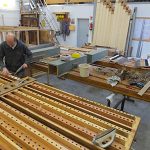
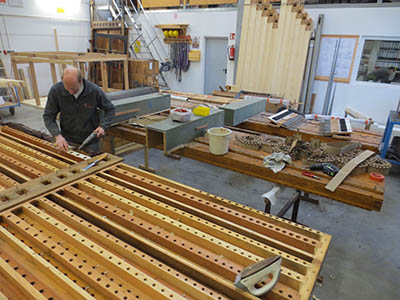
- Ausbau sämtlicher Ton- und Relaisventile, Entfernung der Papierungen
-
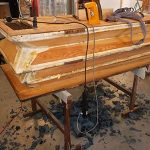
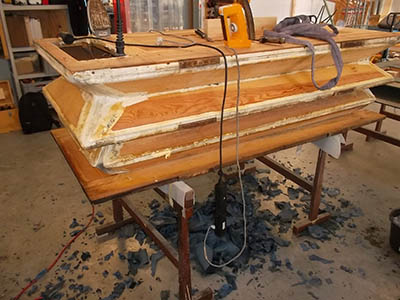
- Auch beim Doppelfaltenbalg wird zunächst die Papierung entfernt
-
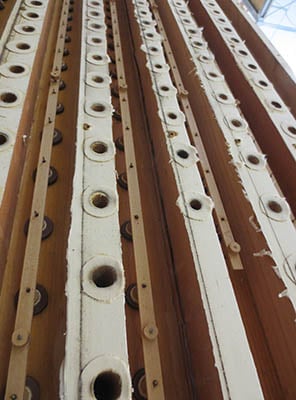
- Die Kanzellen werden geöffnet – massive Risse kommen zu Tage
-
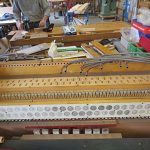
- Der pneumatische Spieltisch wird zerlegt
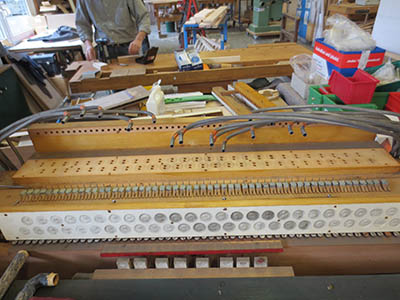
-
- Das fehlende Pfeifenwerk ist bereits rekonstruiert und größtenteils fertig restauriert
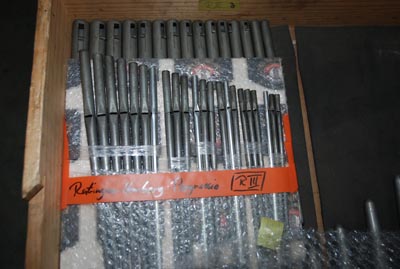
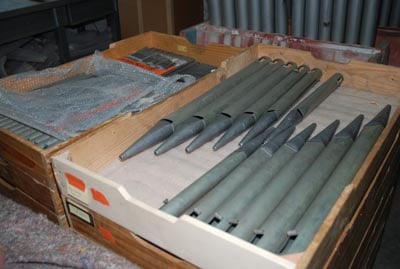
-
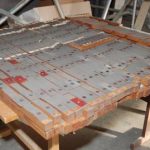
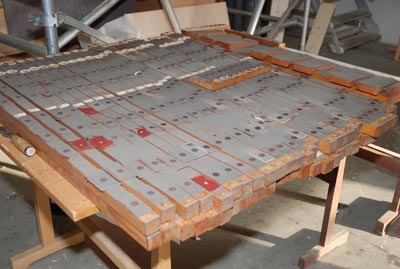
- Sämtliche Ledermembranen müssen erneuert werden
-
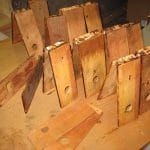
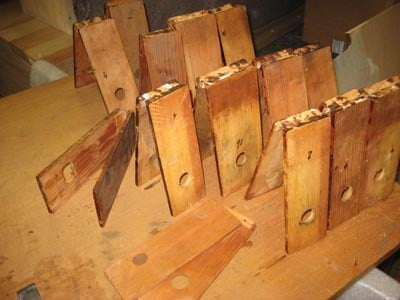
- Die Registerbälge sind für die Neubelederung vorbereitet
-
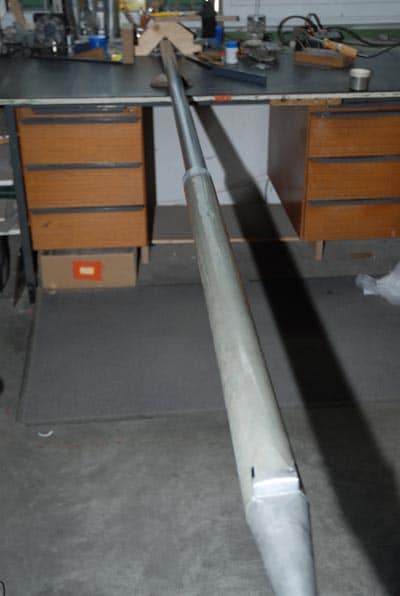
- Sämtliche Pfeifenkörper werden rundiert
-
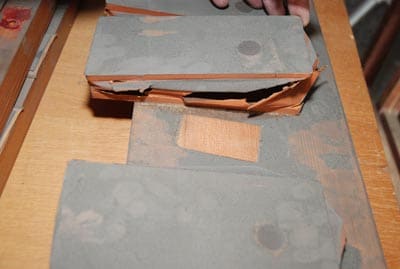
- Das Leder der Registersteuerbälge zerfällt regelrecht
-
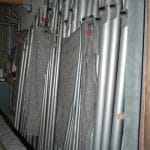
- Das Pfeifenwerk ist in der Pfeifenwerkstatt angekommen

-
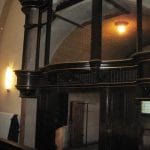
- Die Gehäusefront bleibt vor Ort
-
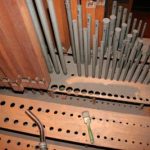
- Der Ausbau hat begonnen

-
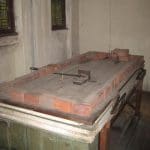
- Der große Doppelfaltenbalg

-
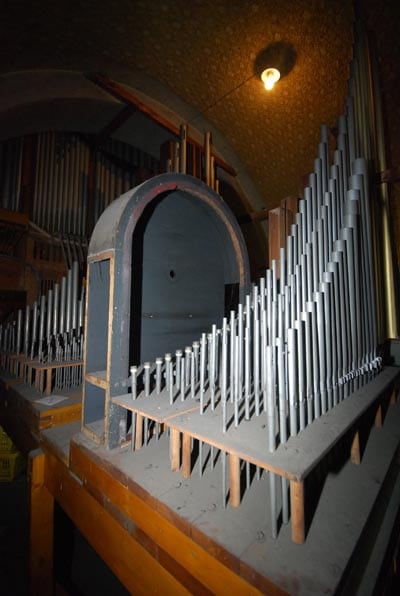
- Das Holz-Gehäuse vom alten Winderzeuger stand inmitten des Pfeifenwerks
-
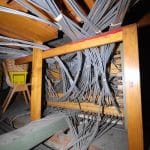
- Blick von hinten auf den Spieltisch
-
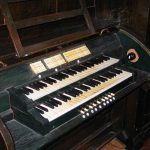
- Der Spieltisch vor der Restaurierung