— New organ —
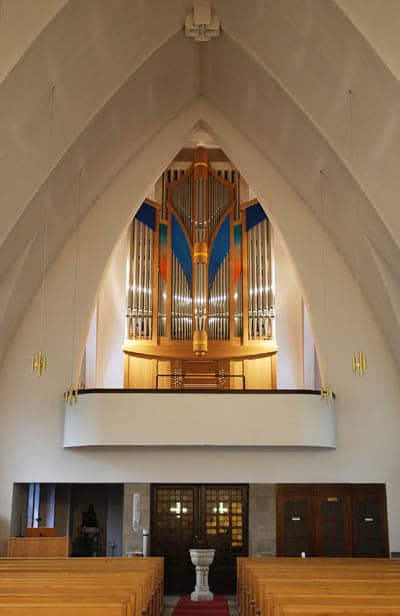 Johannes Reuter designed the Catholic parish church of St. Mary, which was built to his plans in 1936 in just a few months. The original building dating from the 19th century had become too small after many Catholics found work in the newly created industrial area around Bitterfeld and found accommodation in the district of Delitzsch.
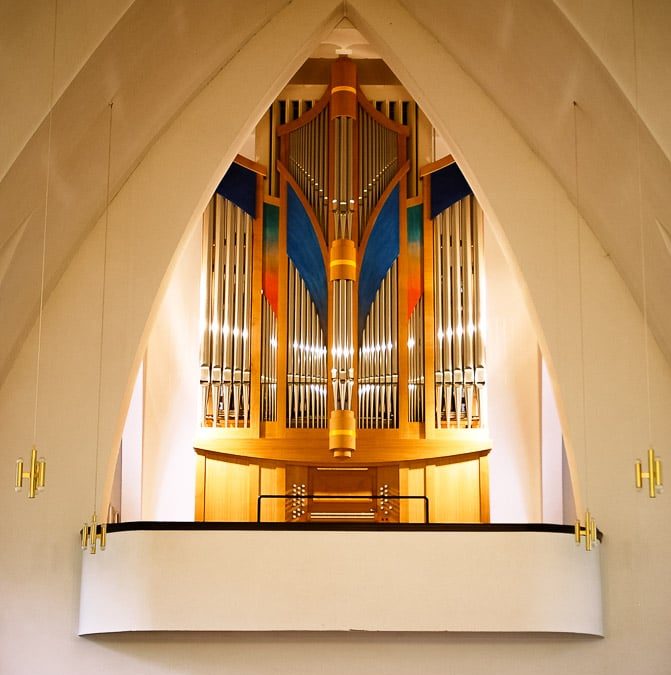
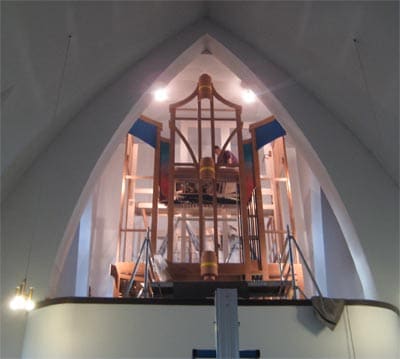
In addition to the wood and the front pipes, coloured surfaces are part of the design of an organ. The coloured surfaces give a sense of motion from the outer edge of the organ front, drawing the eye towards the centre. The colours were selected from a range of colours, which represents the zeitgeist and symbolism at the time of the edification of the church. Although the room has sculptures originating from the old church, they have not been incorporated into the colour palette due to design principles.
From very early on, churches were painted in colours, as they have always had a symbolic meaning in our churches. For example, the colours in the liturgical year stand for different periods in the year circle.
The colouration of the organ takes on some of these symbols. The violet for the suffering (penance) and the expectation (Advent). The turquoise blue for the Mother of God, the patroness of the church in Delitzsch. The red for Pentecost (symbolism of the fire) and the Good Friday (shed blood). The green blue for hope and life.
For the deep blue of the upper fields no better quotation can be taken than that of Wassily Kandinsky, co-founder of the artist movement “The Blue Rider”: “The deeper the blue gets, the deeper it calls man into the infinite, awakens in him the longing for the pure and finally supernatural. It’s the colour of the sky. ”
Three stripes of yellow stand out and let the viewer recognize the most important symbol of our religion: the trinity of God in Father, Son and Holy Spirit.
Symbols on the organ do not replace an altar, but like the organ music, they support our faith. They turn many incomprehensible things into fantastic images and help us in our everyday faith. The congregation may now use their organs with their eyes and ears.
Stoplist 
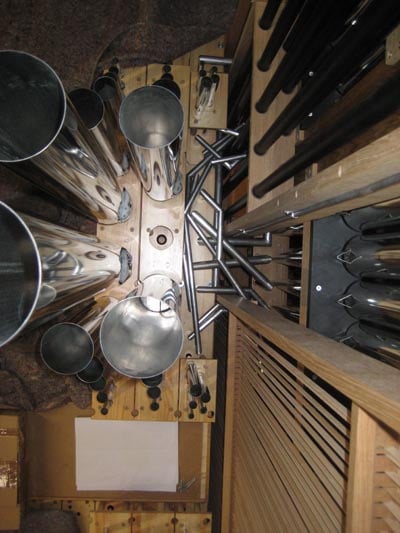
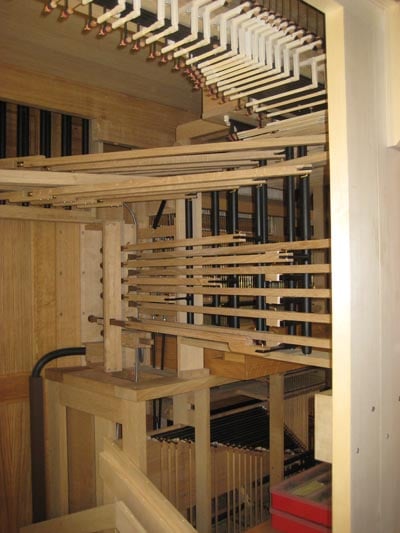
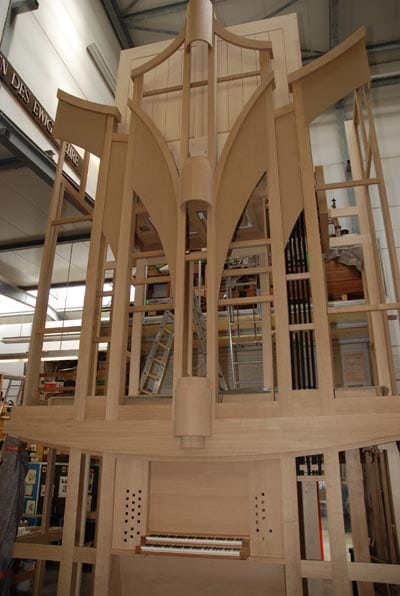
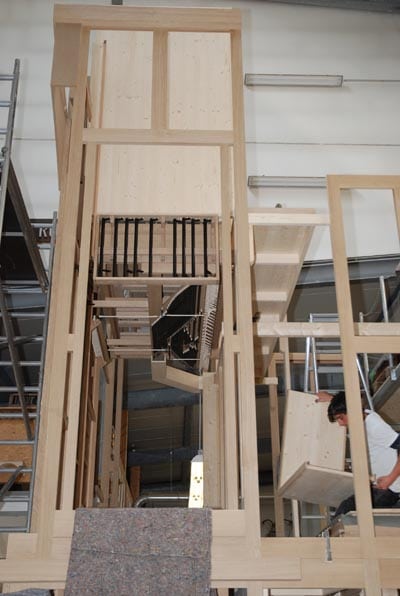
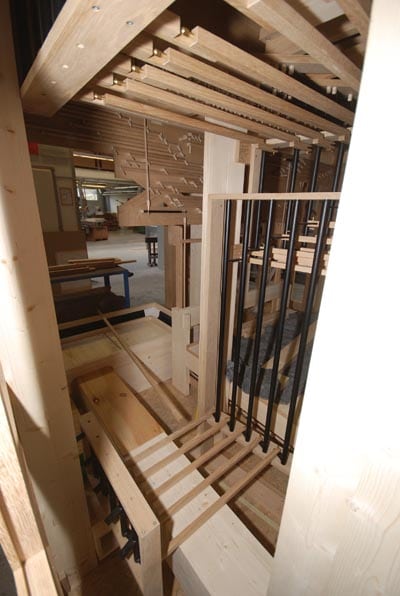
some impressions from the construction of the organ

-
- Der Aufbau geht zügig voran
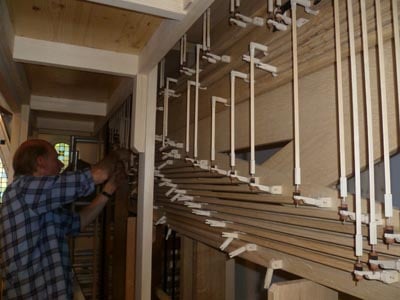
-
- Die neue Orgel ist angekommen
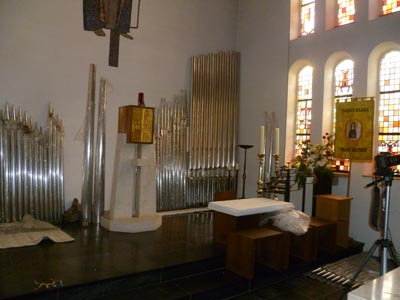
-
- Die Vorbereitungen in der Kirche sind weitgehend abgeschlossen
-
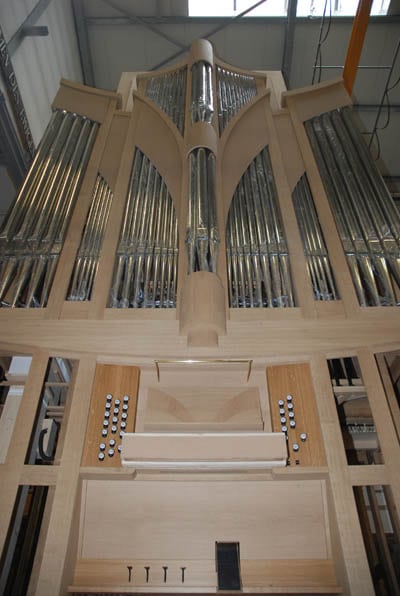
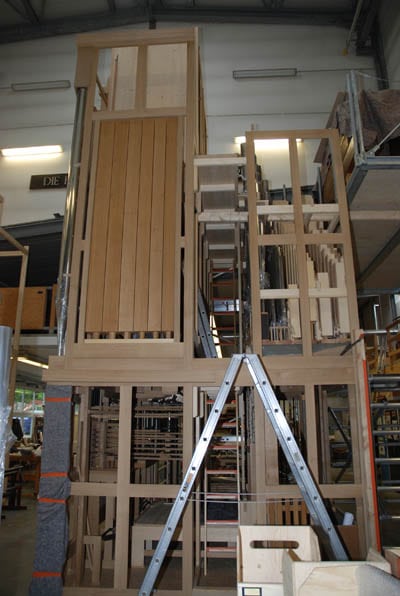
- Fertigstellung in der Werkstatt – Der Abbau kann beginnen
-
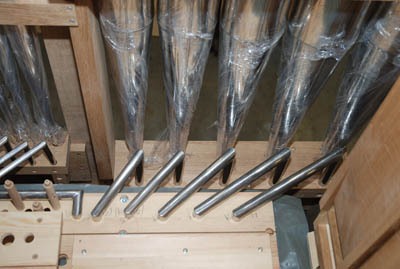
- Prospektkondukten in Zinn
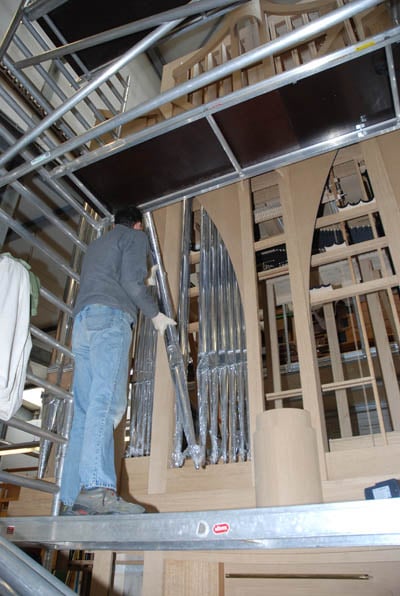
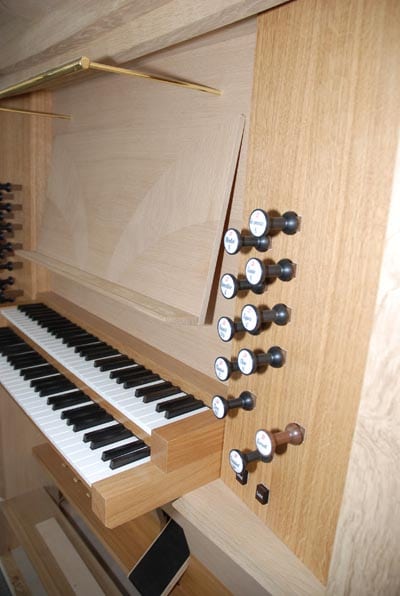
-
- Ein Blick in die Orgelmechaniken
-
- Prospektstöcke
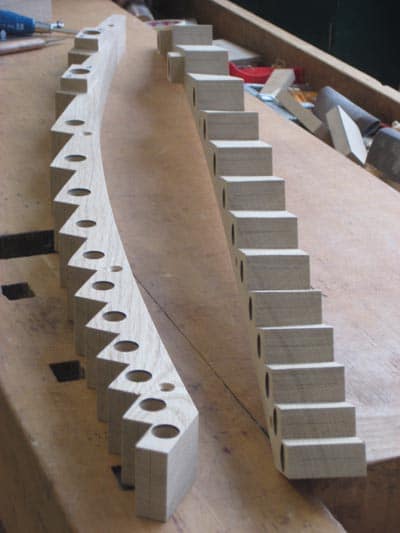
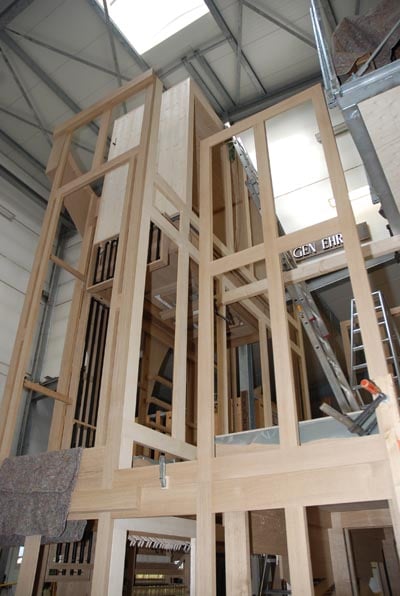
-
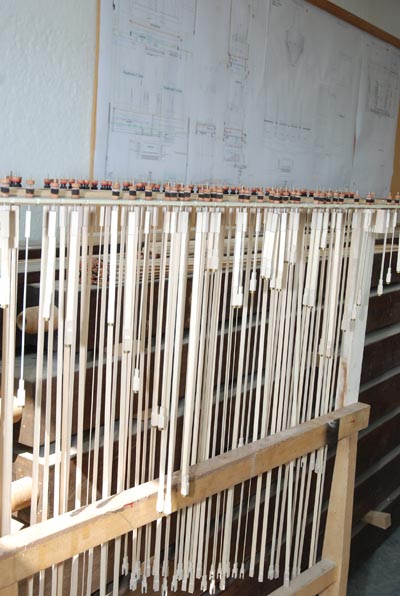
- zum Einbau vorbereitete Abstrakten
-
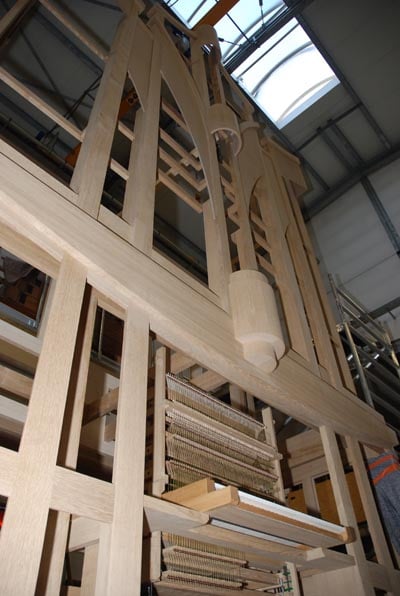
- Das Orgelgehäuse nimmt Gestalt an
-
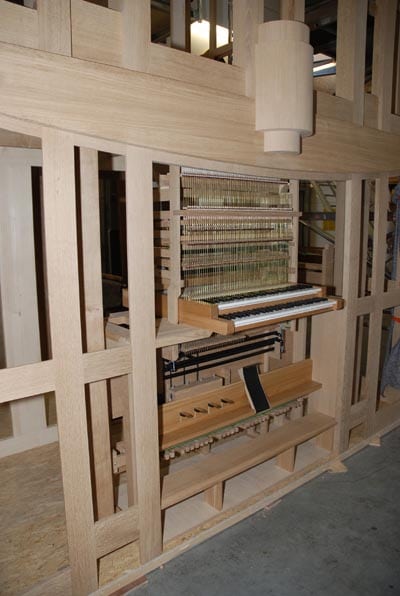
- Der fertige Spieltisch wird in das Untergehäuse eingebaut
-
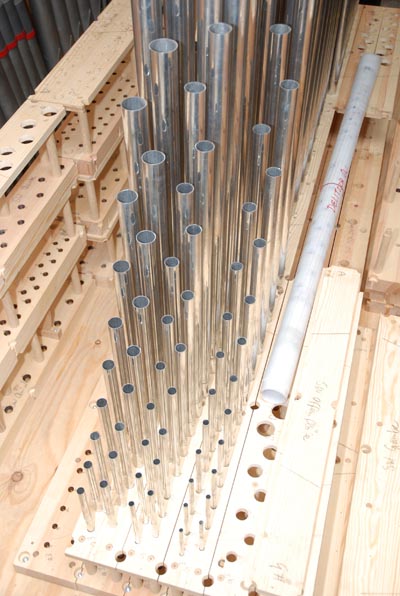
- Das fertige Pfeifenwerk wird einrastriert
-
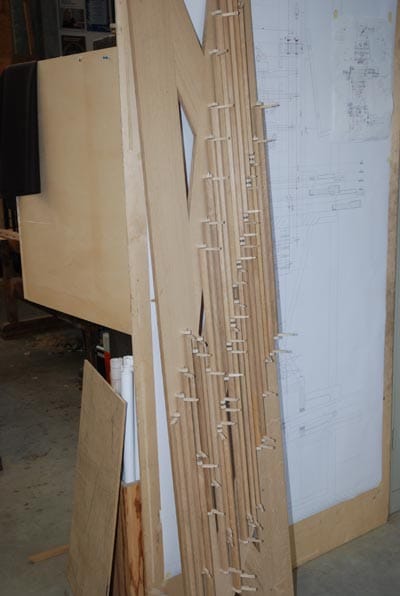
- Wellenbrett in Holzbauweise
-
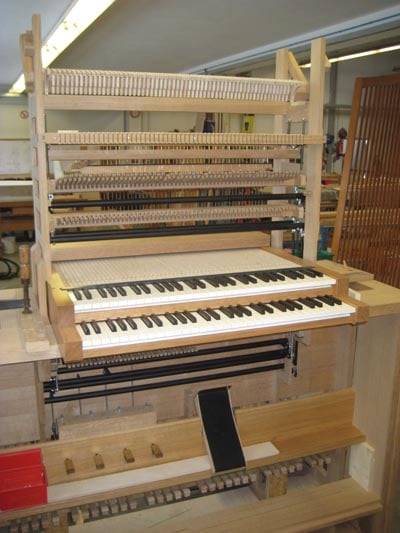
- Die Klaviaturen sind in das Spieltischchassis eingepaßt
-
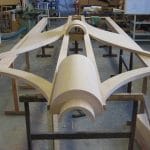
- Die Rundtürme sind montiert
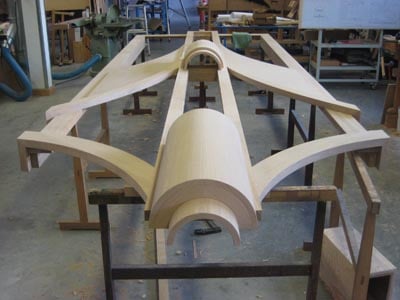
-
- Die Rundtürme für das mittlere Prospektfeld
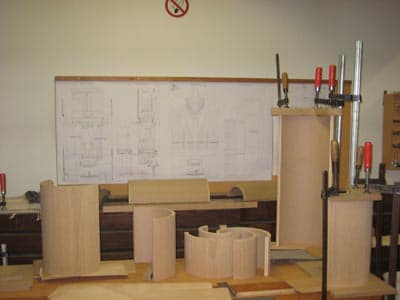
-
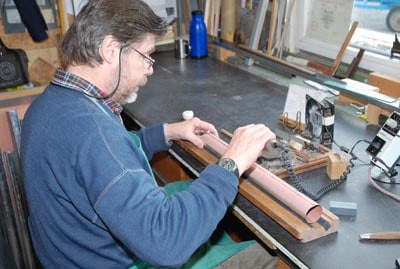
- Löten der Längsnaht
-
- Die Klaviatur des II. Manuals wird einnivelliert

-
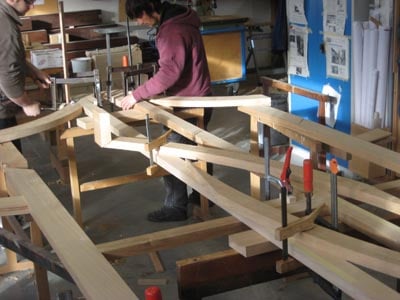
- Das mittlere Feld des Orgelprospektes wird verleimt
-
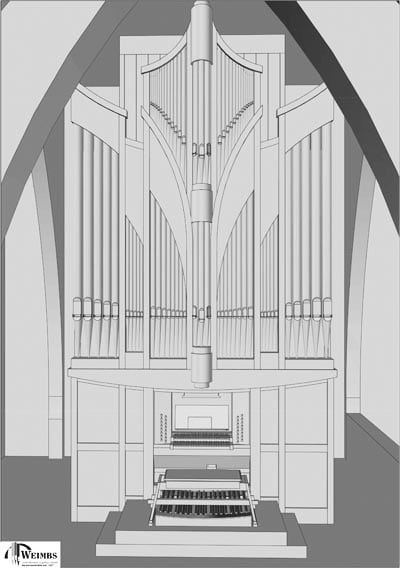
- Entwurf für die farbliche Gestaltung der Orgel
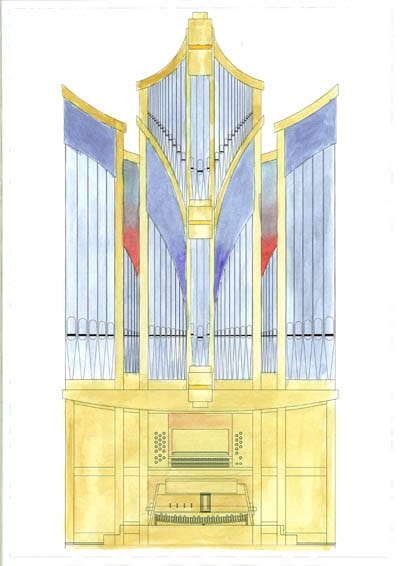
-
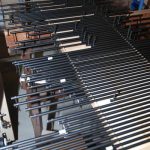
- Die Wellen für die Wellenrahmen in der Fertigung

-
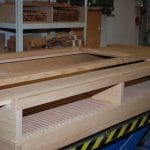
- Windladenbau – der Windkasten wird gefertigt
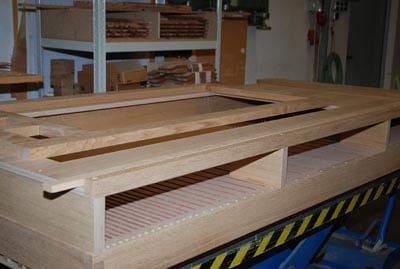
-
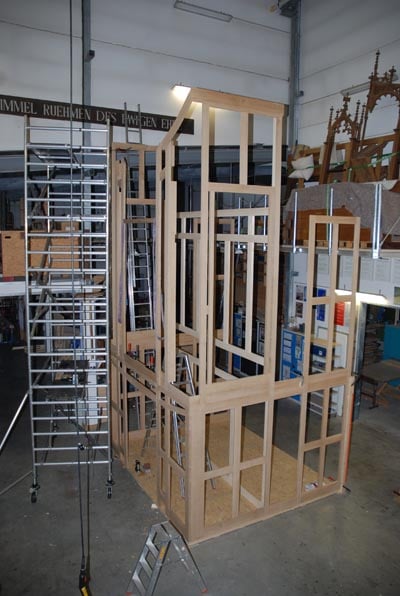
- Das Obergehäuse wird montiert
-
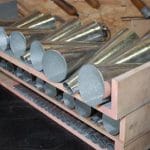
- Fertigung der Pfeifenfüße
-
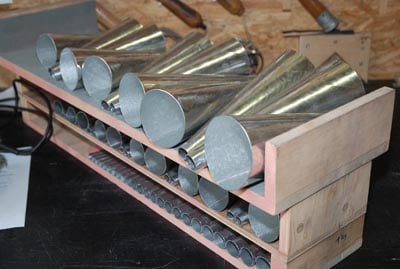
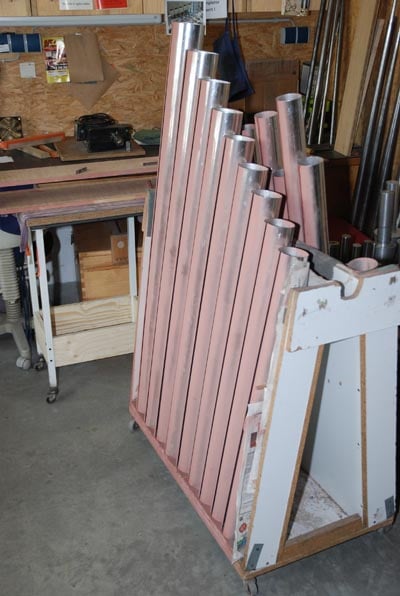
- Fertigung der Pfeifenkörper
-
- Das Spieltischchassis wird eingepasst
-
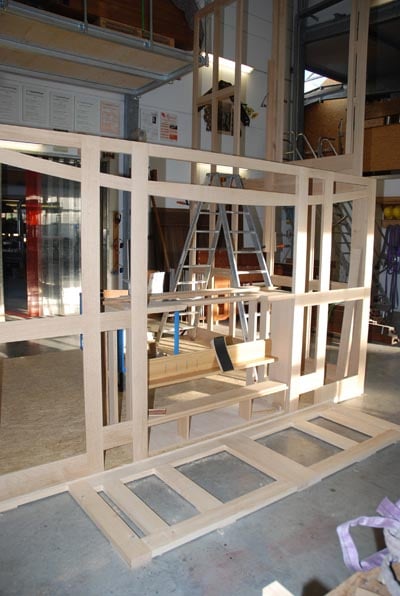
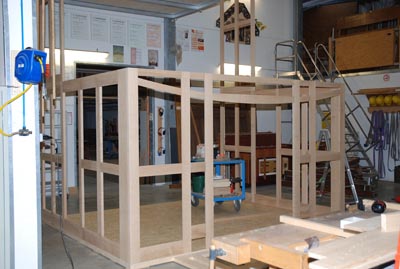
- Das Untergehäuse ist aufgestellt
-
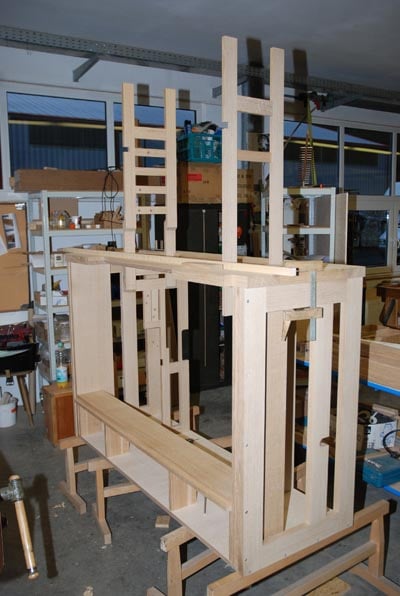
- Das Spieltischchassis nimmt Gestalt an
-
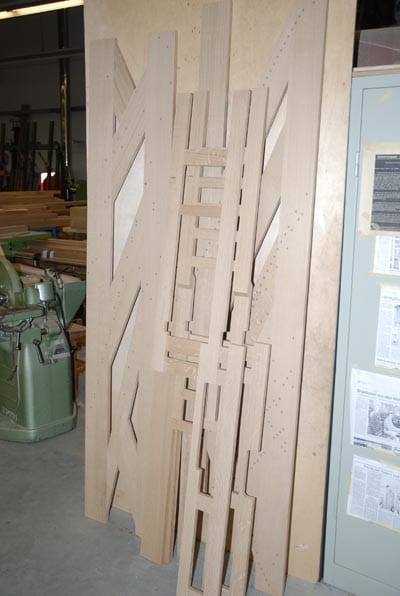
- Die Wellenrahmen für die Spieltraktur und der Spieltischrahmen sind fertig
-
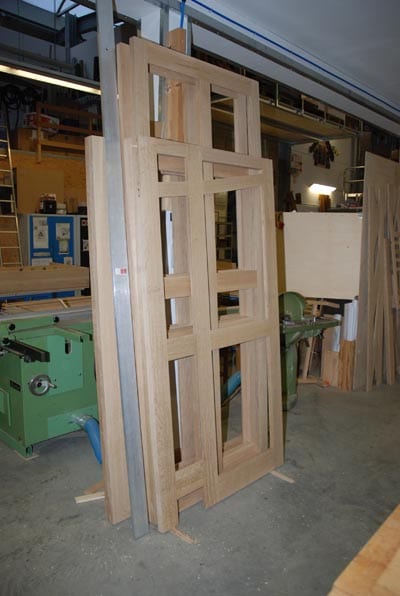
- Die ersten Gehäuserahmen sind verleimt
-
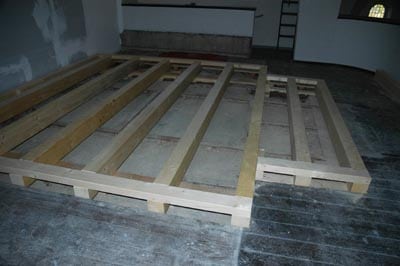
- Der Bodenrahmen zum Aufbau der Orgel ist gelegt

-
- Die Ventilschlitze der Windladen werden gefräst

-
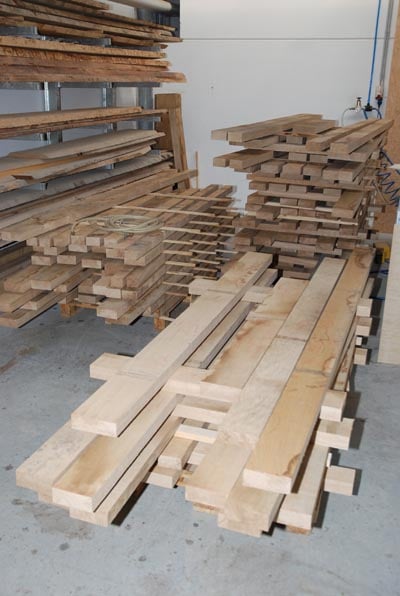
- Das erste Eichenholz für das Orgelgehäuse ist zugeschnitten
-
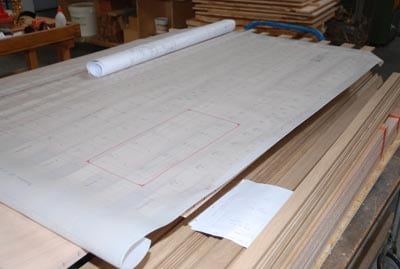
- Windladenzeichnung im Maßstab 1:1
-
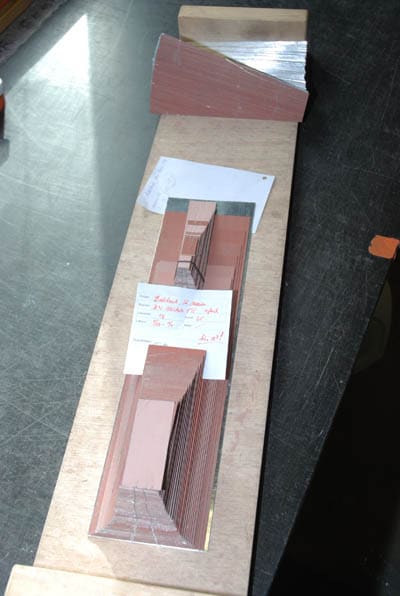
- Zuschnitt Pfeifenkörper und -füße Mixtur Hauptwerk
-
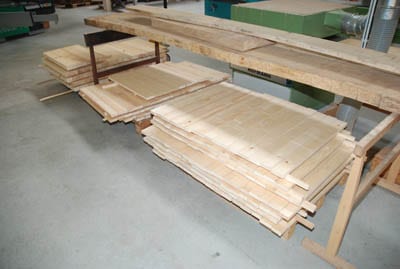
- Zuschnitt der Pfeifenstöcke und -brettchen
-
- Entwurf