— Reorganisation of the Weimbs organ —
History of the former organ:
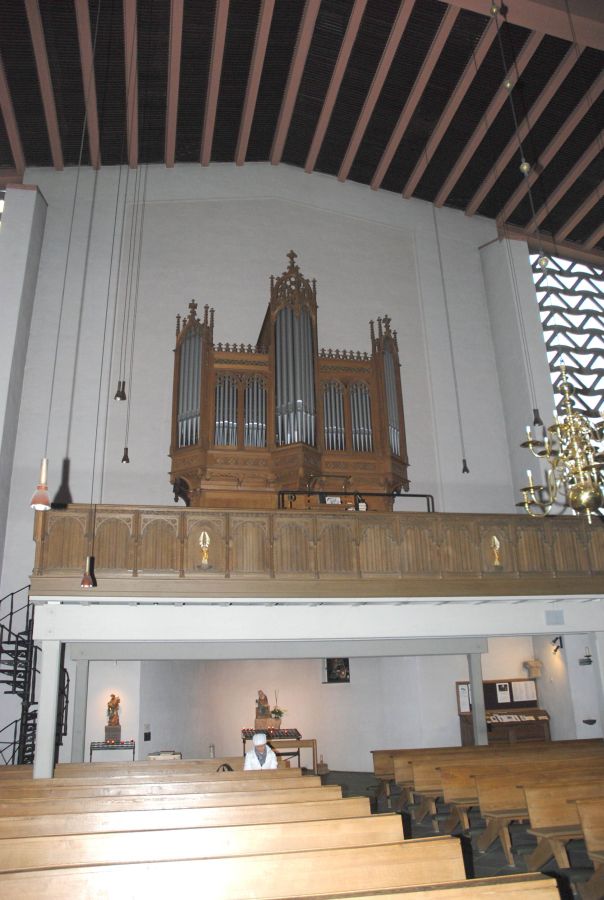
After the renovation of the church in the early 80s, suitable furnishings had to be found. The parish was able to acquire a neo-Gothic organ case at the Provincial Mother house of the Sisters in Grefrath-Mulhouse on the Lower Rhine area. Overall, this organ case worked well with the gallery parapet and other items.
The organ case was rebuilt and set up by restorer and sculptor Christoph Müller of Brühl and stood for a few years as a façade on the organ stage.
The over-acoustics that prevailed before the restoration of the church interior was removed by the entry of a new wooden ceiling. As a result, since the installation of this wooden ceiling a dry speaking acoustic prevailed, which was not ideal for organ music.
The former organ expert, Prof. Josef Zimmermann, was entrusted with the supervision of the new building of the organ. The idea was to fit a new organ into the existing situation.
For cost reasons, all parties agreed to take almost all the pipe work from the discarded Seifert / Cologne organ of the community St. Vitalis in Müngersdorf and from our stock. This pipe stock resulted in the special situation of a “new” organ with German-romantic sound concept. It was therefore one of the first organ new buildings of German-Romantic style in the area, at a time when the baroque sound ideal was fashionable.
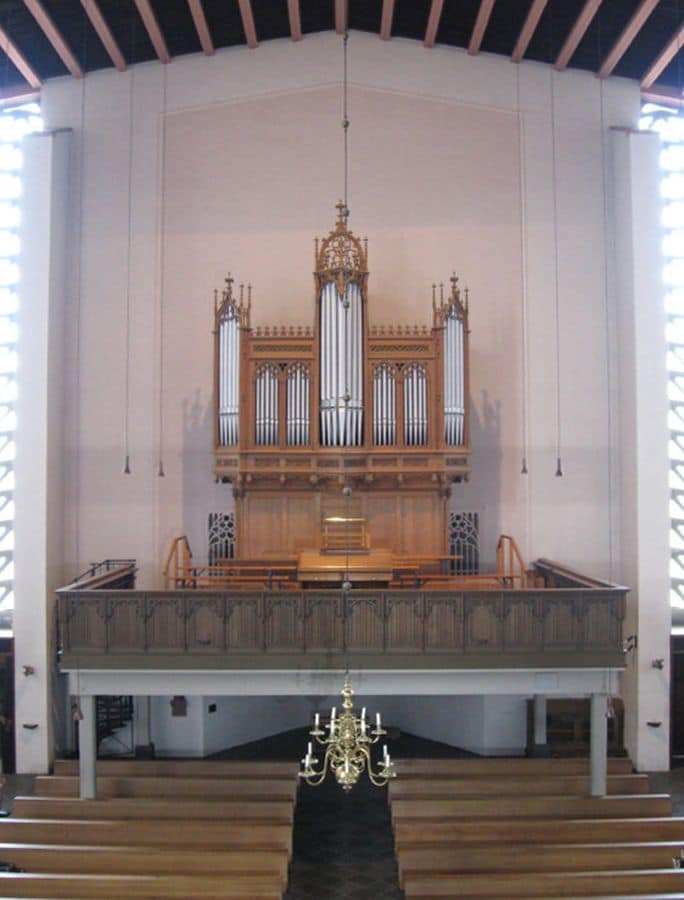
Orgelsituation bis 2013
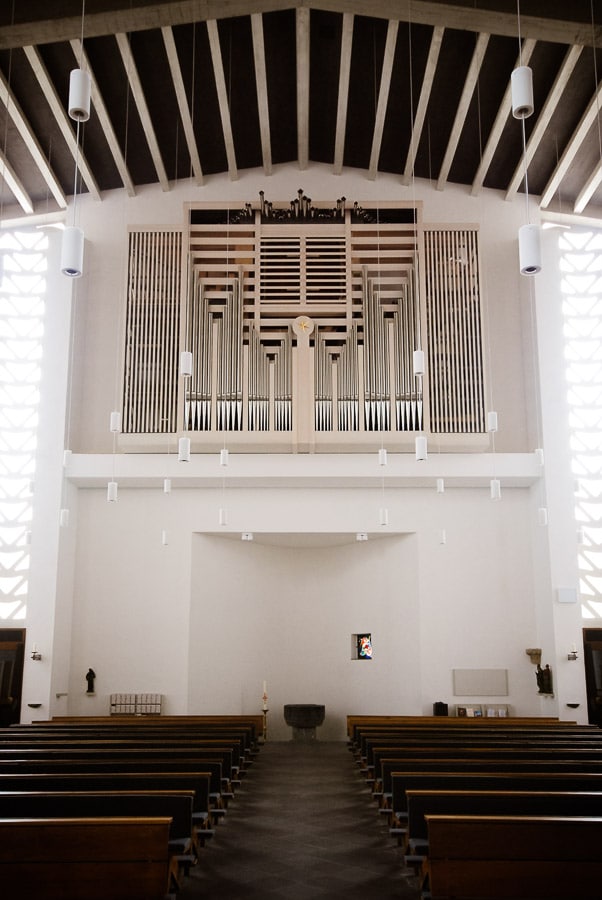
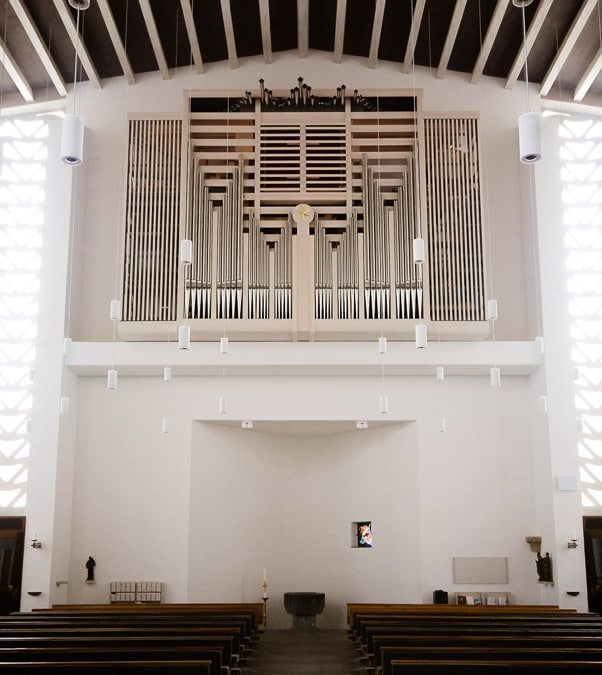
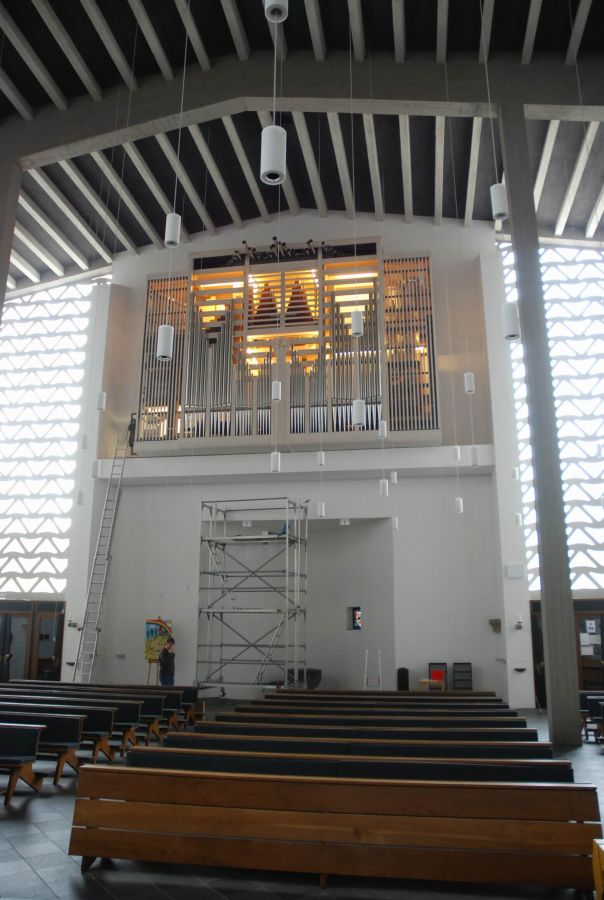
Neuer Orgelprospekt seit 2013
Reorganization / redesign of the main organ:
– Stoplist – 
General:
The redesign of the interior in 2013 also brought the organ case back into focus. The neo-gothic style dominating the room until then was reduced. The organ loft was abandoned and thus the view of the baptistery behind it was uncovered again. The room acoustic was optimised by various measures.
The entire organ project is based on two building blocks: The first element is the reorganization / redesign of the existing main organ in 2013/2014. The second building block is the acoustic extension of the existing main organ by an additional division on the organ stage in the Anno Chapel in 2017. This addition is particularly important due to the recent change in the use of space, such as celebrating the weekday masses in the Anno Chapel.
Concept:
The sound concept of Mr. Kantor Holger Weimbs and the organ expert, Mr. Eckhard Isenberg, is based on a division of the organ into two ensembles. It allows a variety of creative possibilities for organ music with choir, children’s choir, singers, soloists and orchestra. The existing organ has been visually redesigned and tonally optimized.
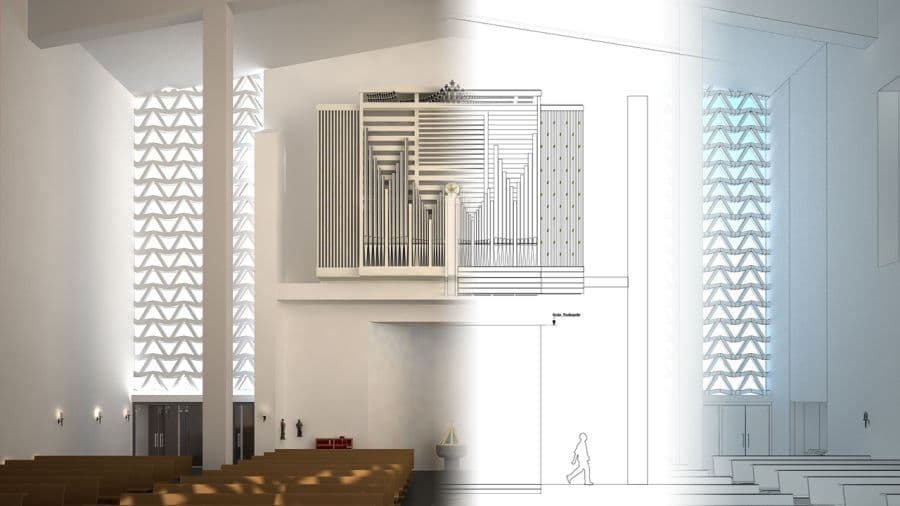
Visualisierung
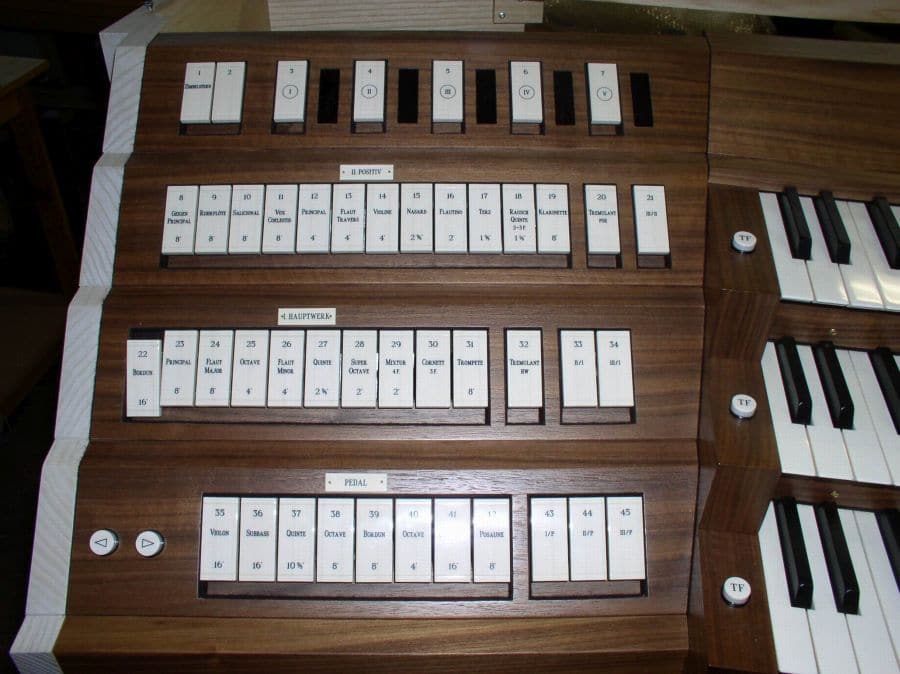
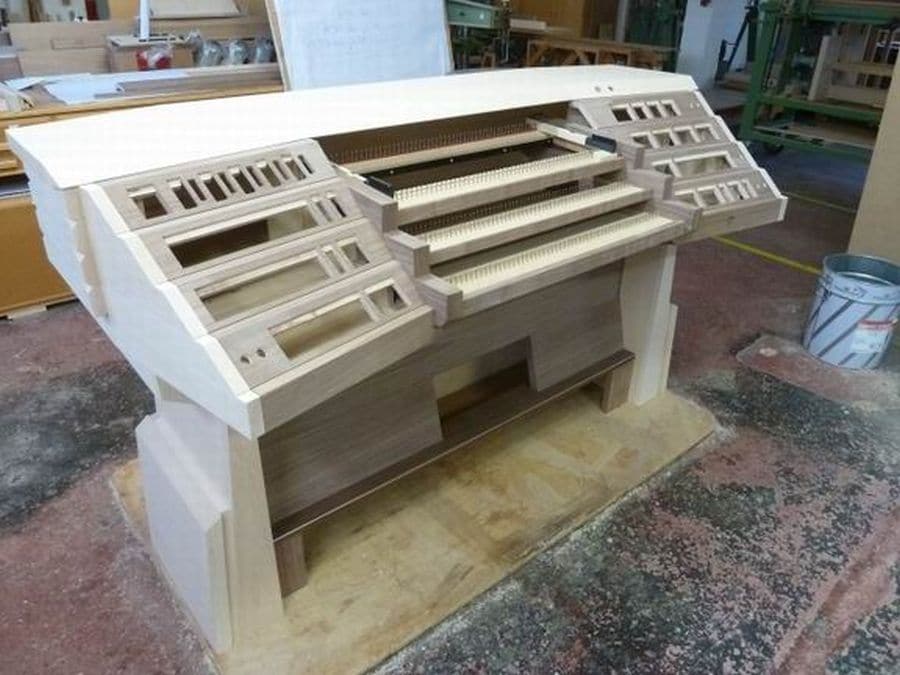
Due to the design of the organ front without an organ stage, in the form of an instrument on the west wall, it was necessary to convert the organ to a purely electric action. In the course of this renewal of the control electrics, a new three-manual console with a modern sequencer and coupler system was manufactured. Freely programmable couplers, additional dynamic couplers, modifiable and also automatic wind power regulation as well as many other additional control options fulfil the classical requirements as well as requirements for modern compositions.
=> find further details about the action system
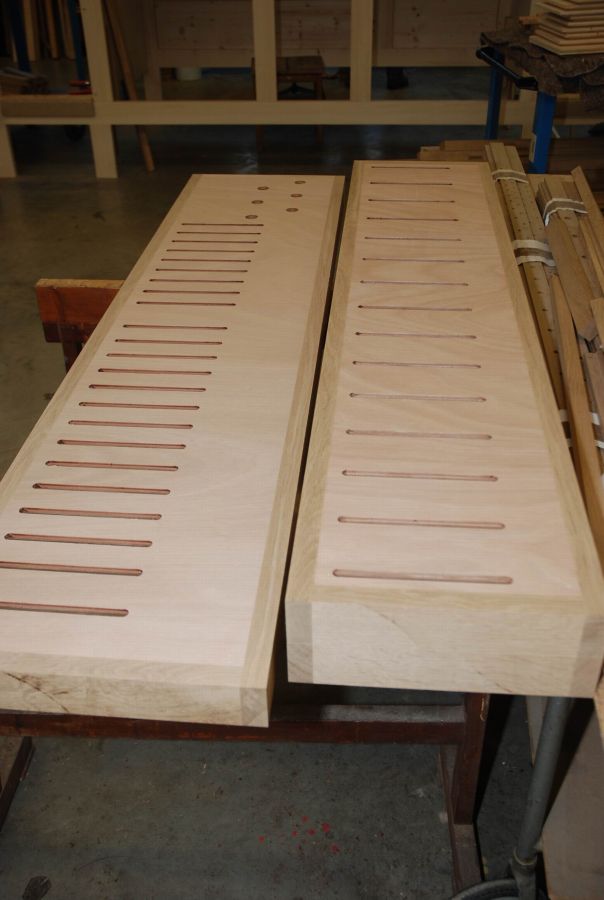
The additional III. Manual division paired with two pedal stops, has been placed as a swell on the organ loft of the Anno Chapel. This division played alone, serves the congregation as accompaniment during the weekday services and the accompaniment of singers, soloists and orchestras, who are usually placed in the Anno Chapel.


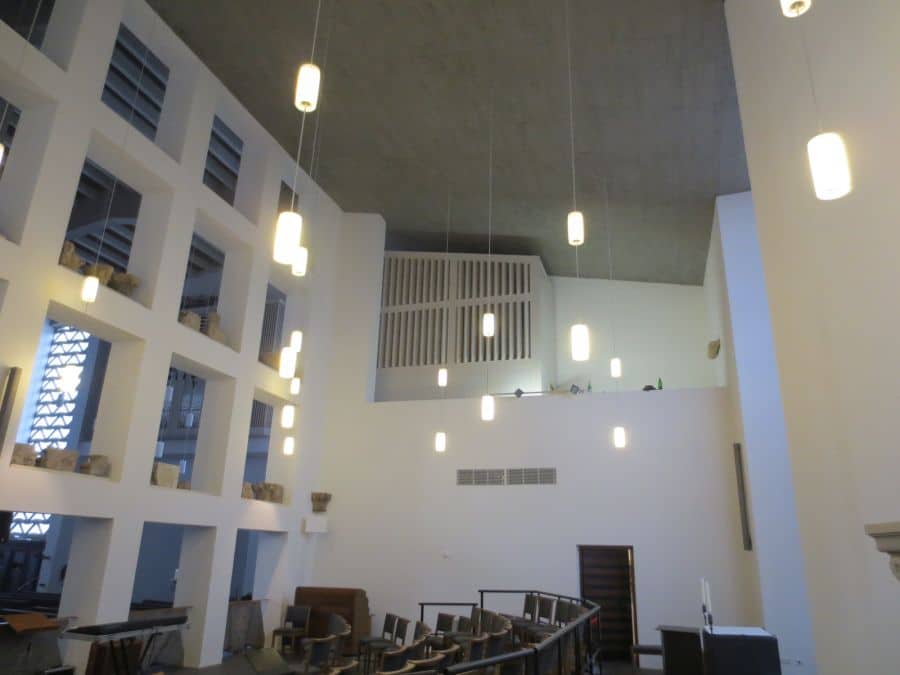

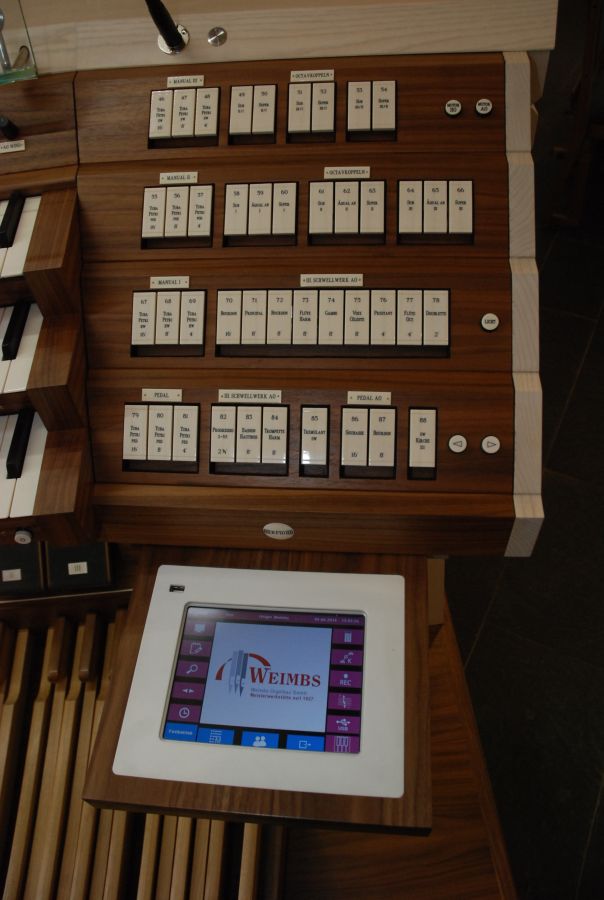

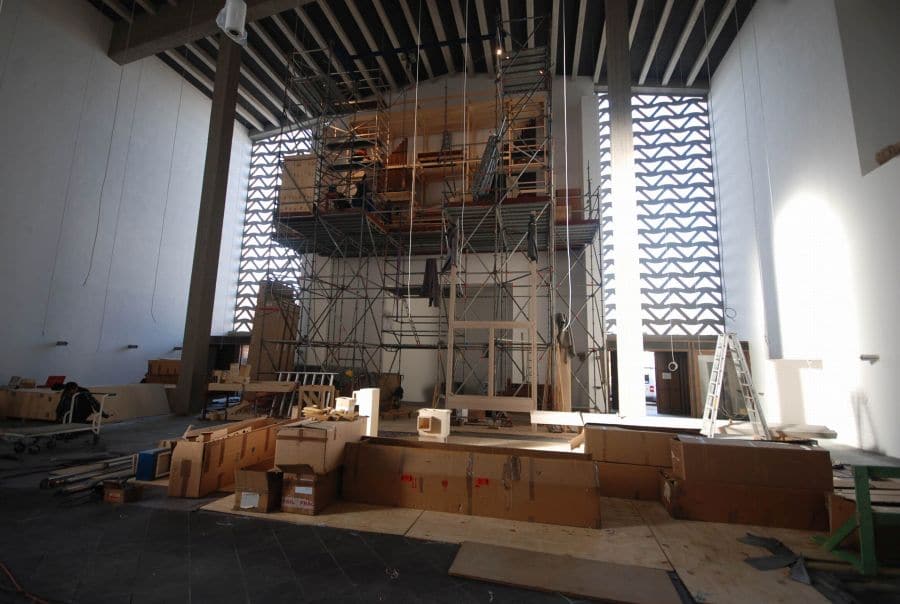
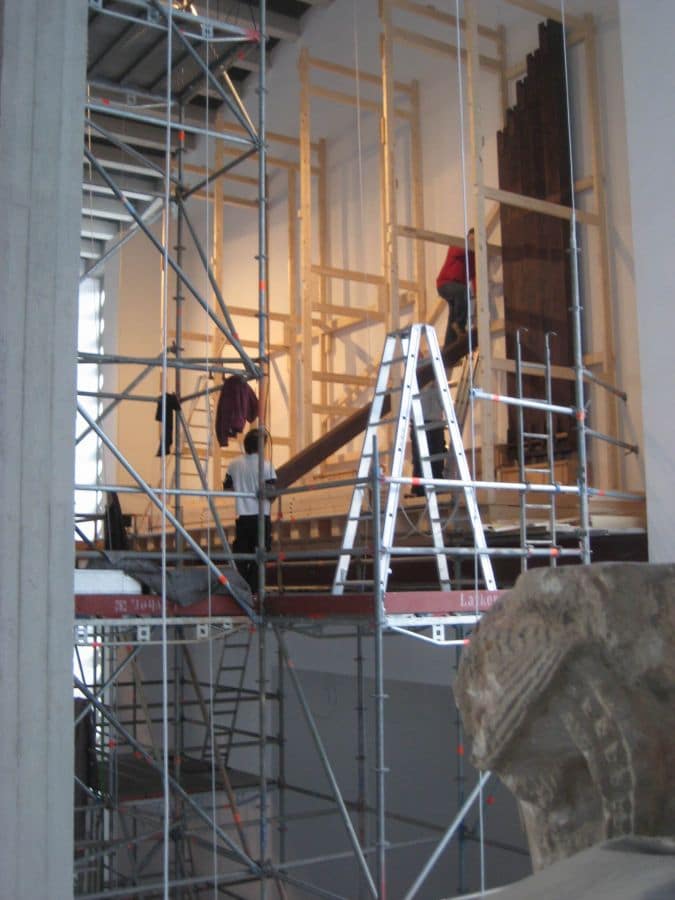
some impressions from the reorganization of the organ
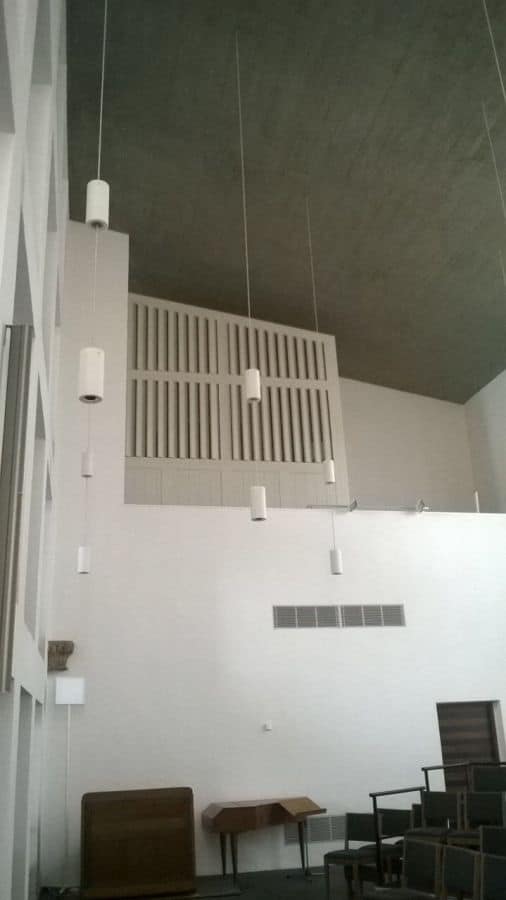

-
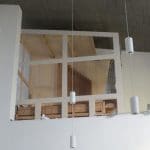
- Die neue Orgel für die Annokapelle hat ihren Platz bezogen

-
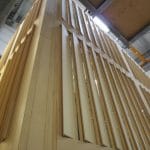
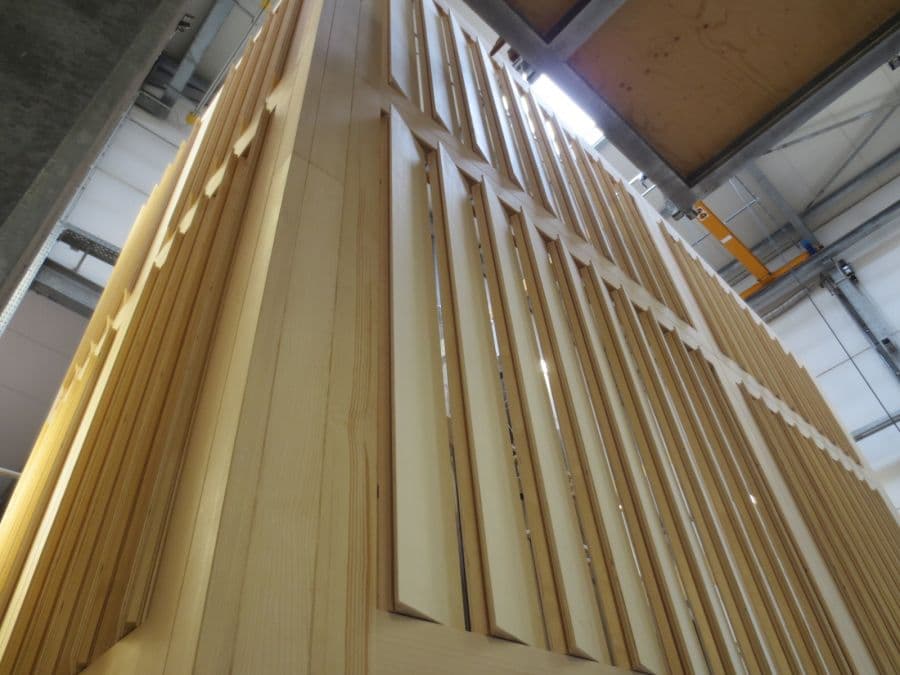
- Die beiden Jalousienenfronten können separat angesteuert werden
-
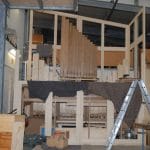
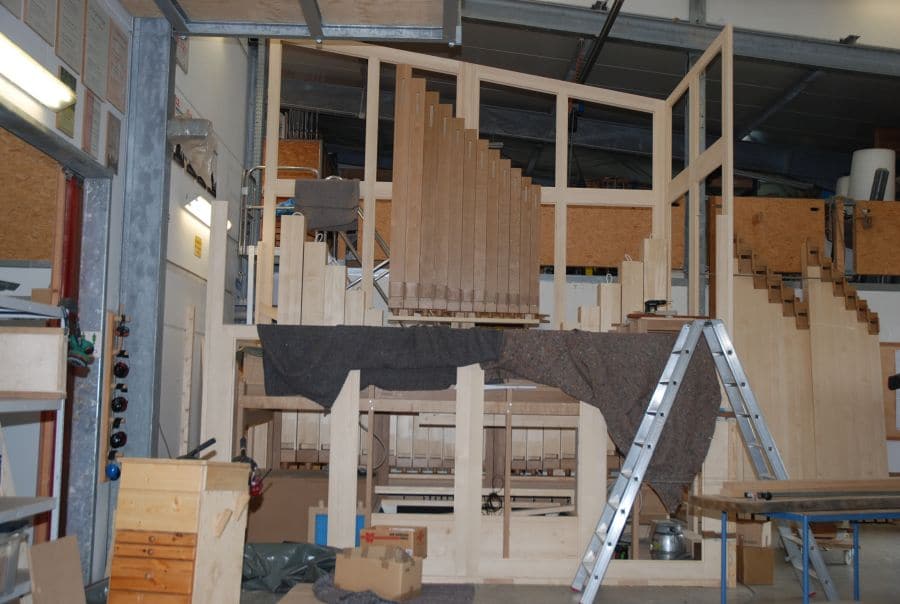
- Annokapellen-Orgel: Die Vormontage geht zügig voran
-
- Annokapellen-Orgel: Die Schwelljalousien werden eingepasst

-
- Anno Pfeifenwerk 01 Annokapellen-Orgel: Das neue Pfeifenwerk wird einrastriert

-
- Annokapellen-Orgel: Beginn des Gehäusebaus

-
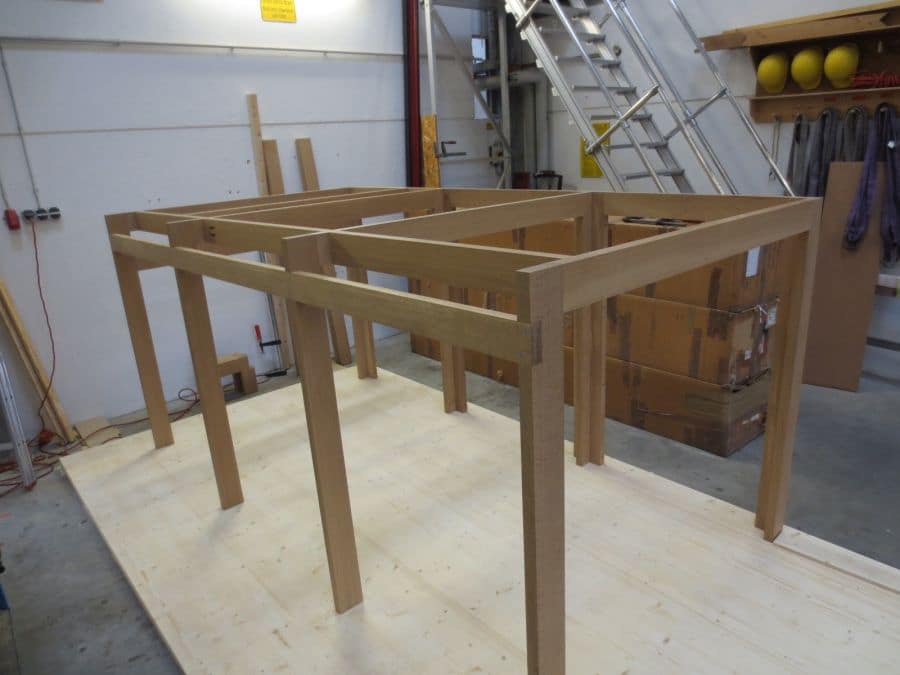
- Annokapellen-Orgel: Beginn der Vormontage
-
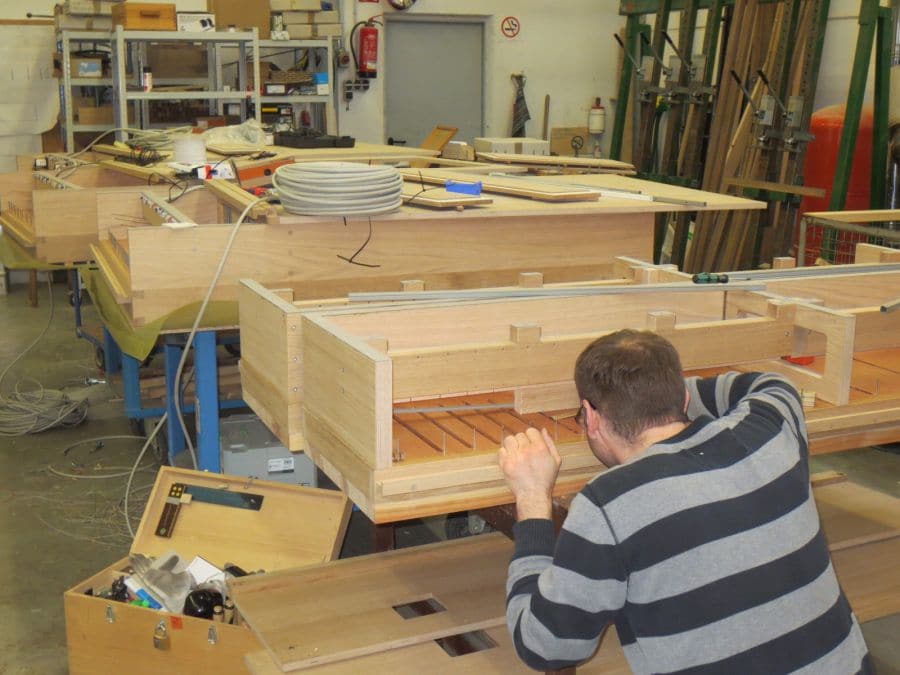
- Die Windladen der Annokapellen-Orgel
-
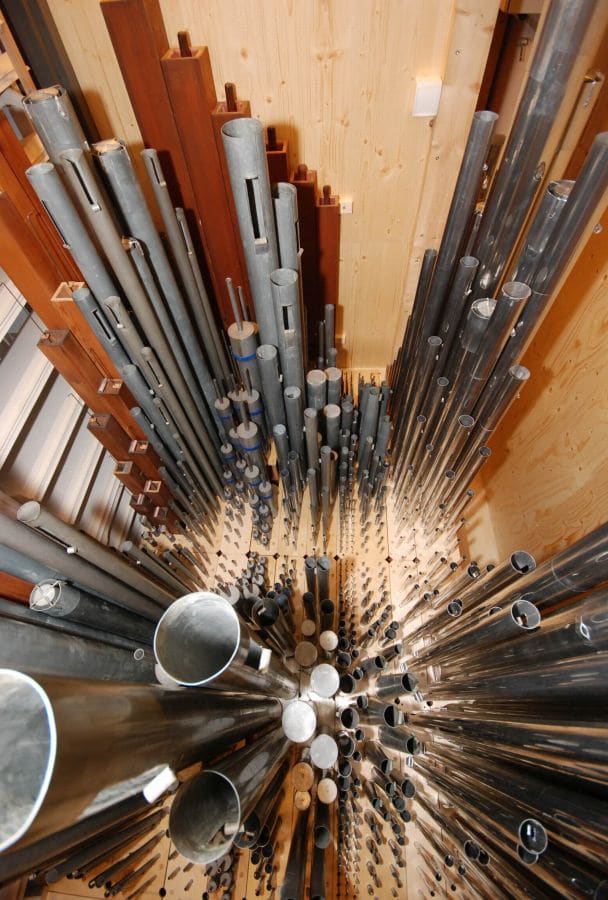
- Blick ins Positiv
-
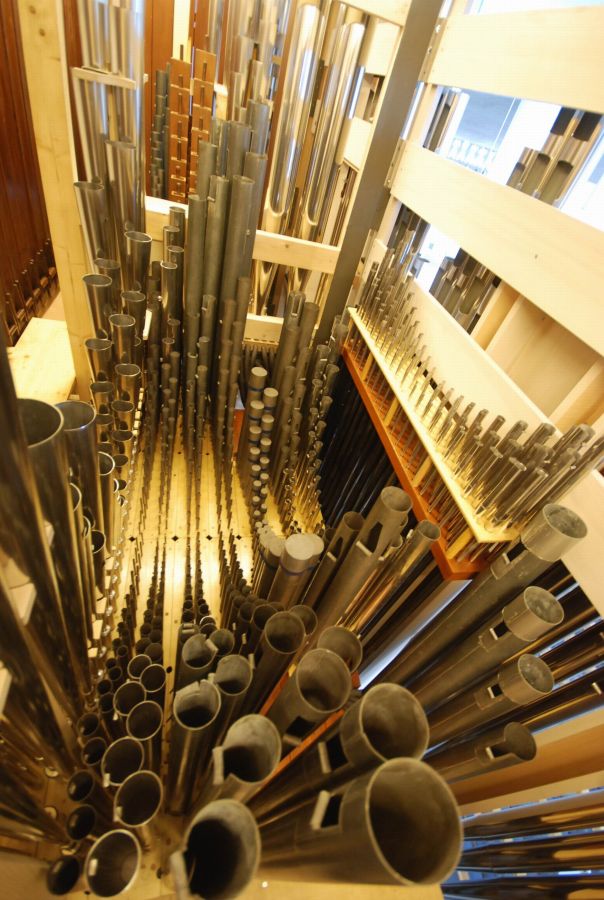
- Blick ins Hauptwerk
-
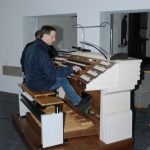
- Die ersten Töne am neuen Spieltisch

-
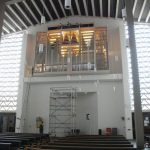
- Der erste Eindruck ohne die große Gerüstplattform
-
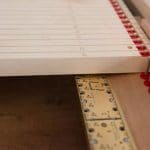
- Tastenkontakte in Form von Hall-Sensoren

-
- OLYMPUS DIGITAL CAMERA
-
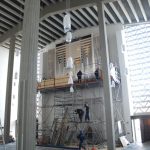
- Ein Teil des großen Gerüstes kann wieder demontiert werden

-
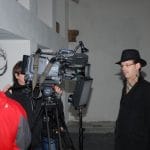
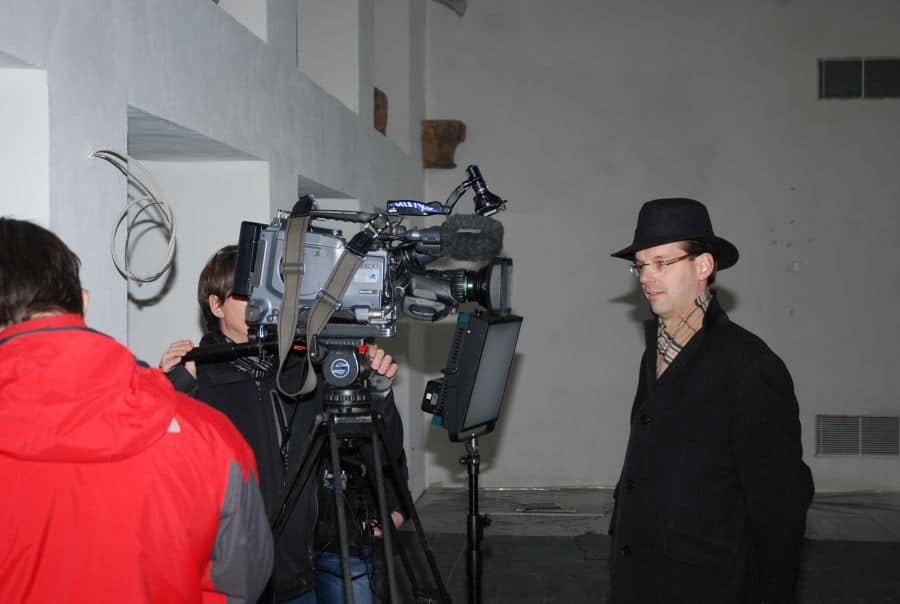
- Kantor Holger Weimbs beim Interview
-
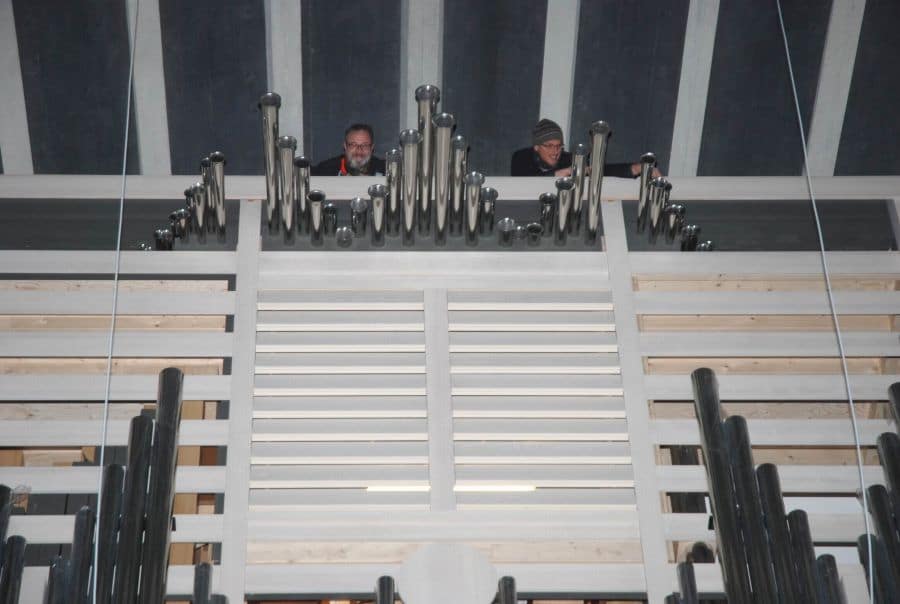
- Die Tuba Petri wird montiert
-
- Ein erster Eindruck
-
- Die Montage hat begonnen
-
- Der große Zentralspieltisch nimmt langsam Gestalt an.
-
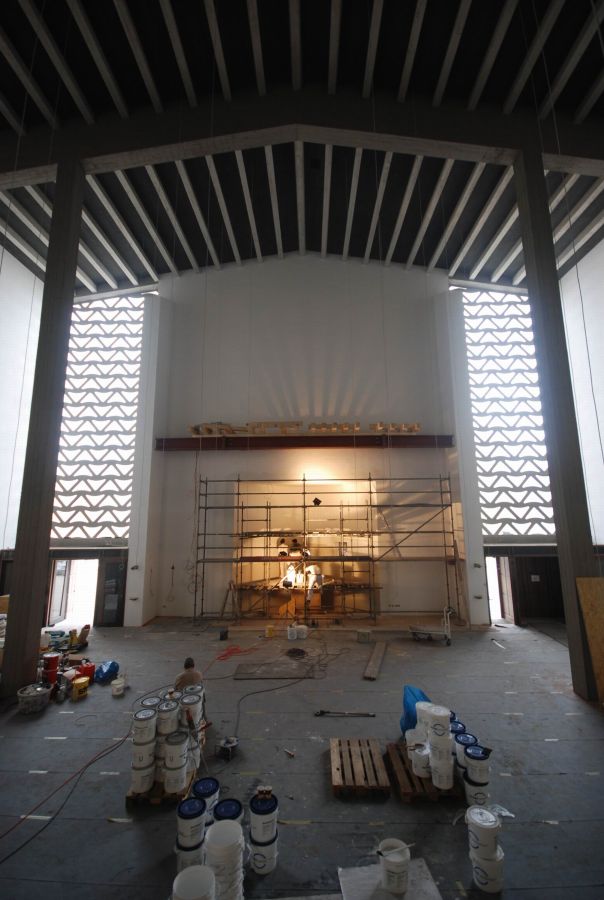
- Oben warten die Holzbalken auf die neue Orgel, während unten der letzte Putz aufgetragen wird.
-
- Die Prospektpfeifen werden kurz einrastriert, bevor die Orgel wieder demontiert und für die Anlieferung verpackt wird.

-
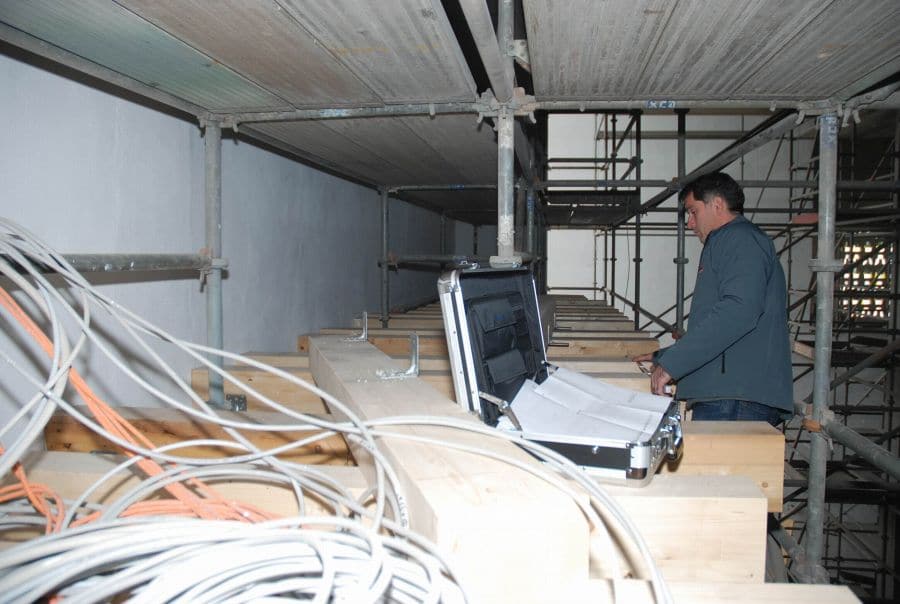
- Die Position der Orgelträger wird überprüft
-
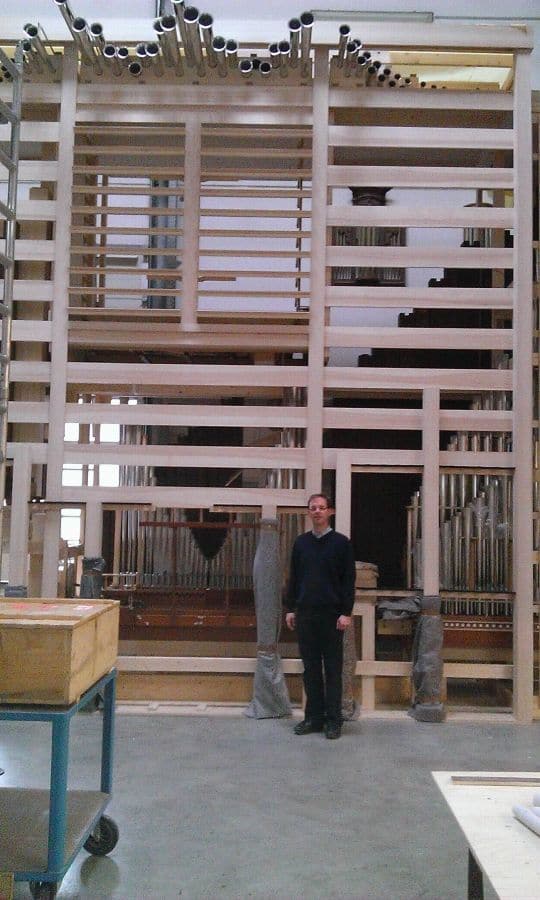
- Kantor Holger Weimbs zu Besuch
-
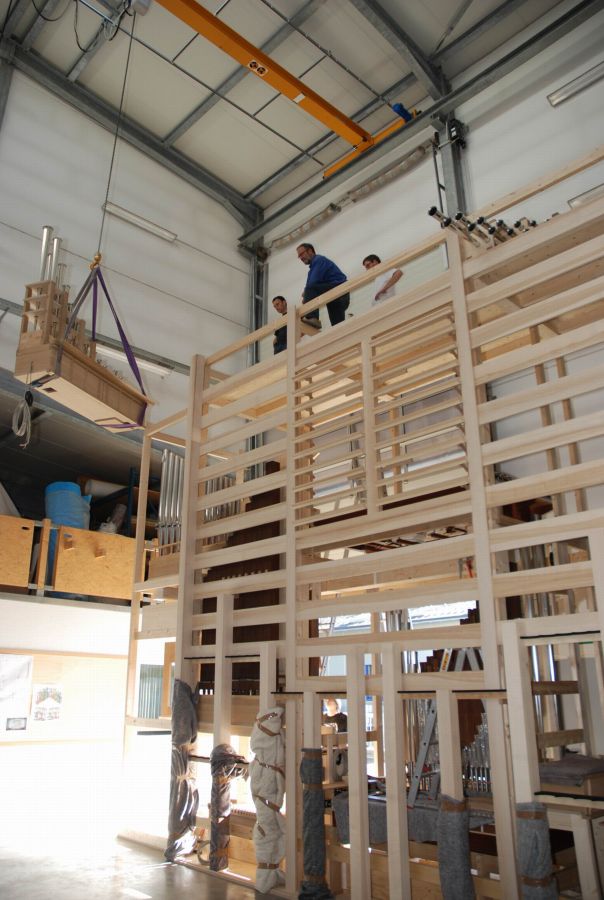
- Montage der Tuba Petri
-
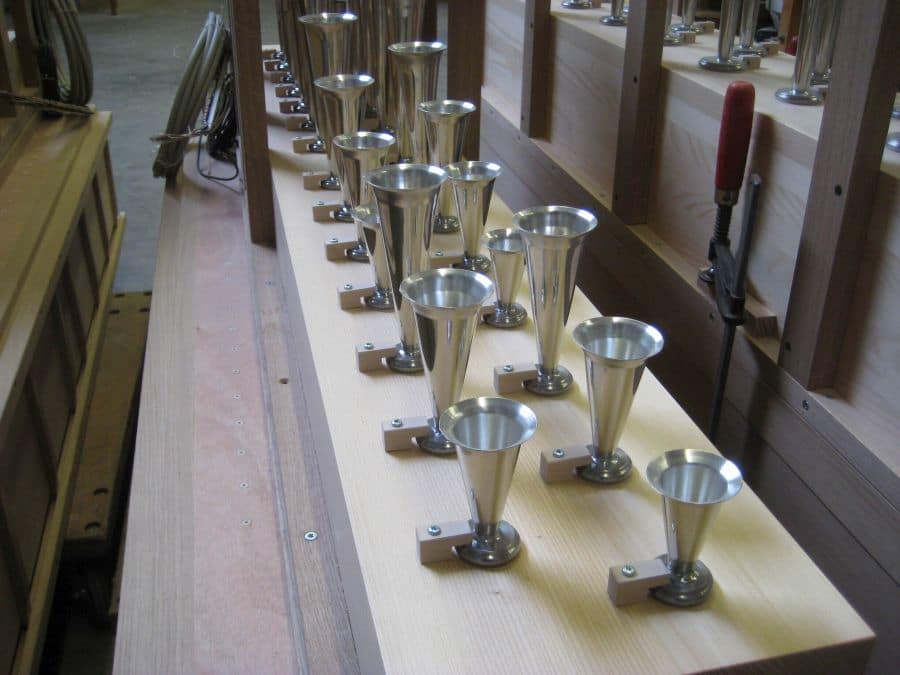
- Die Tuba Petri im Detail
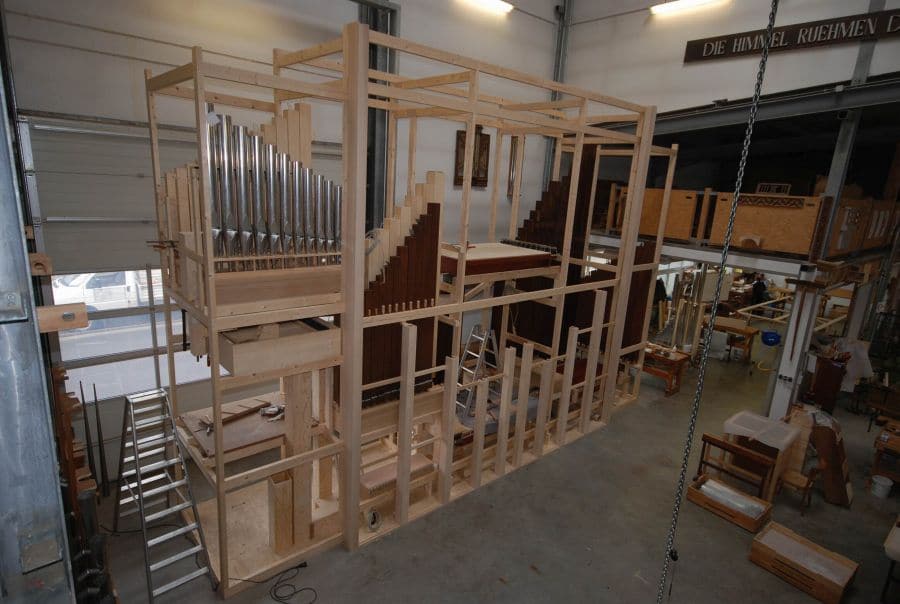
-
- Die Orgel füllt sich mit altem und neuem Pfeifenwerk

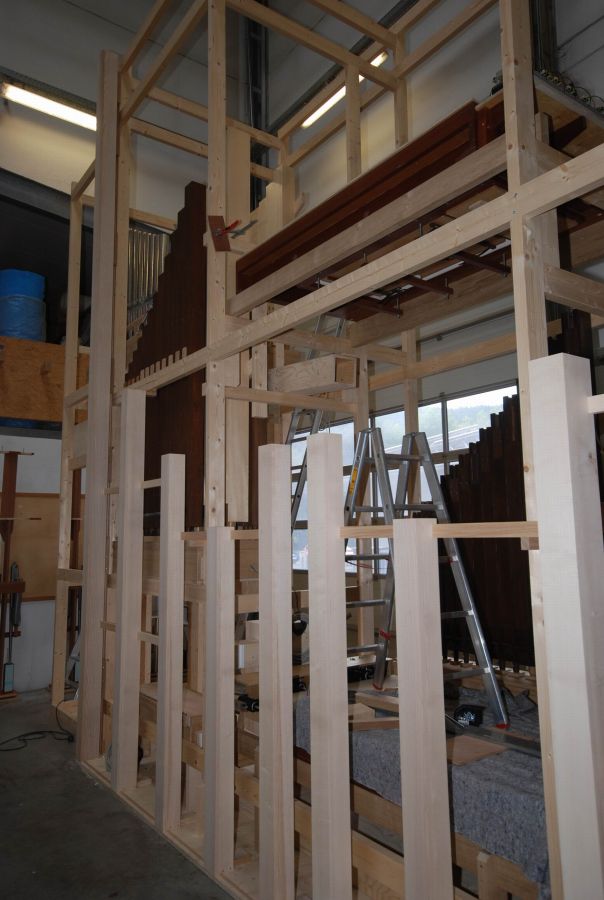
-
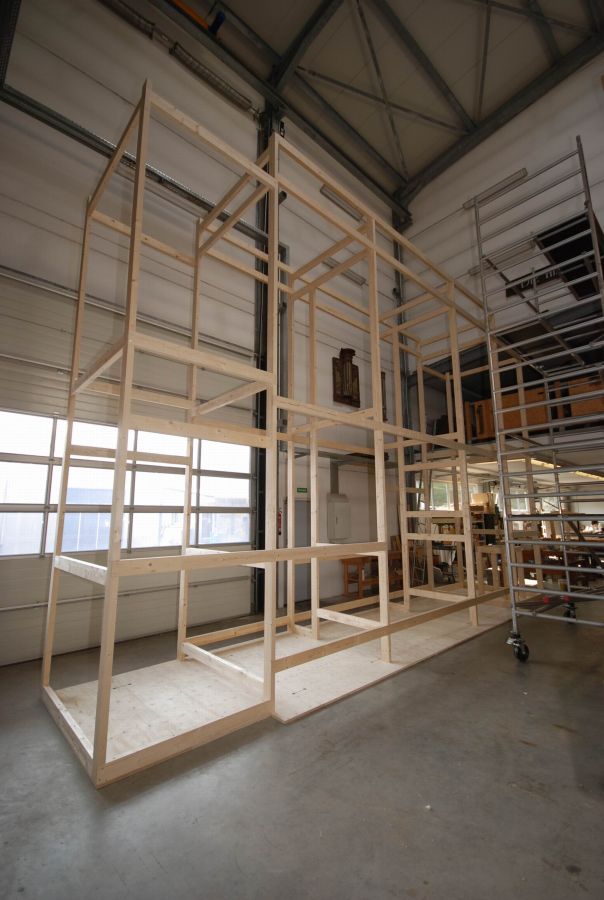
- Montage des Rüstwerks
-
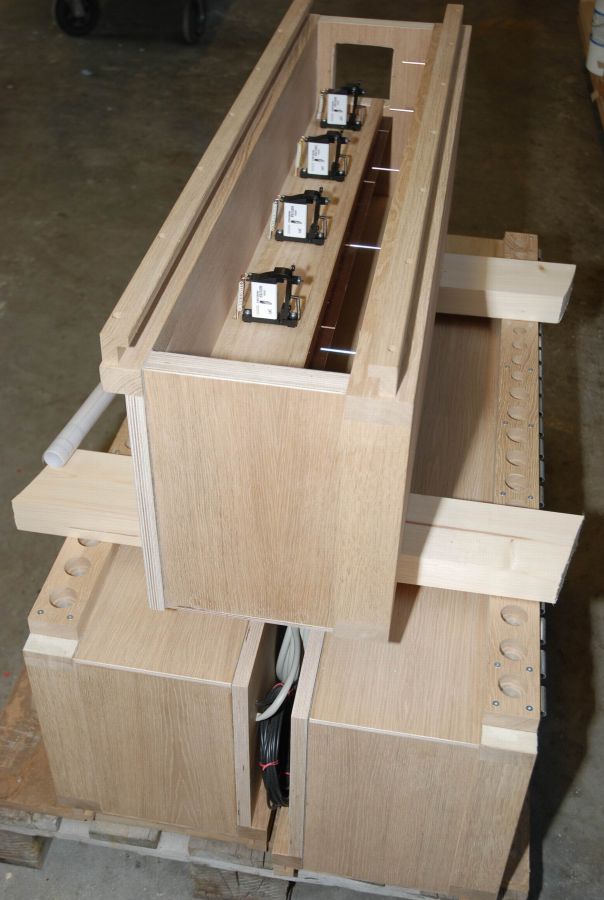
- Einzeltonwindladen
-
- Vorbalg in Form eines Schwimmerbalgs
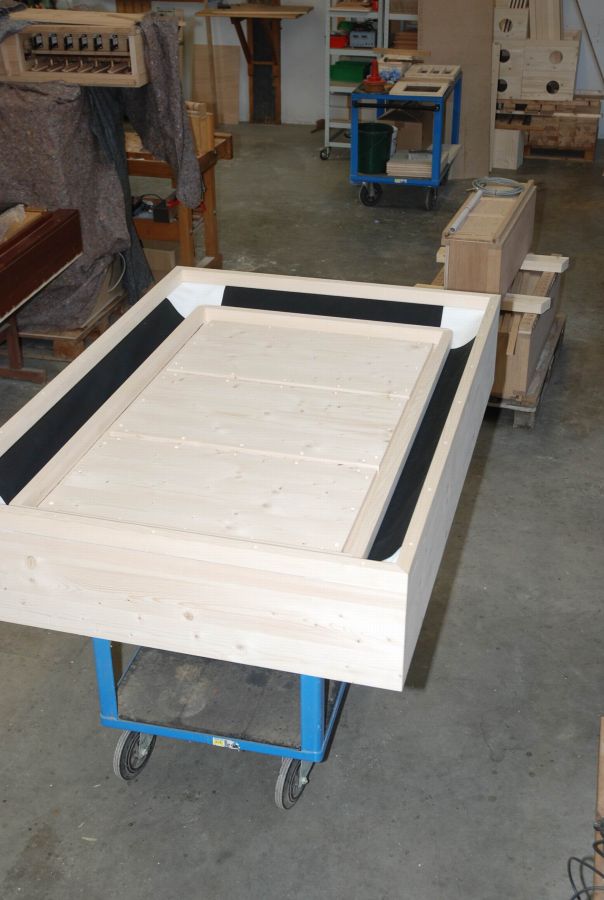
-
- Die Stahlträger zur Aufnahme der Orgel sind montiert
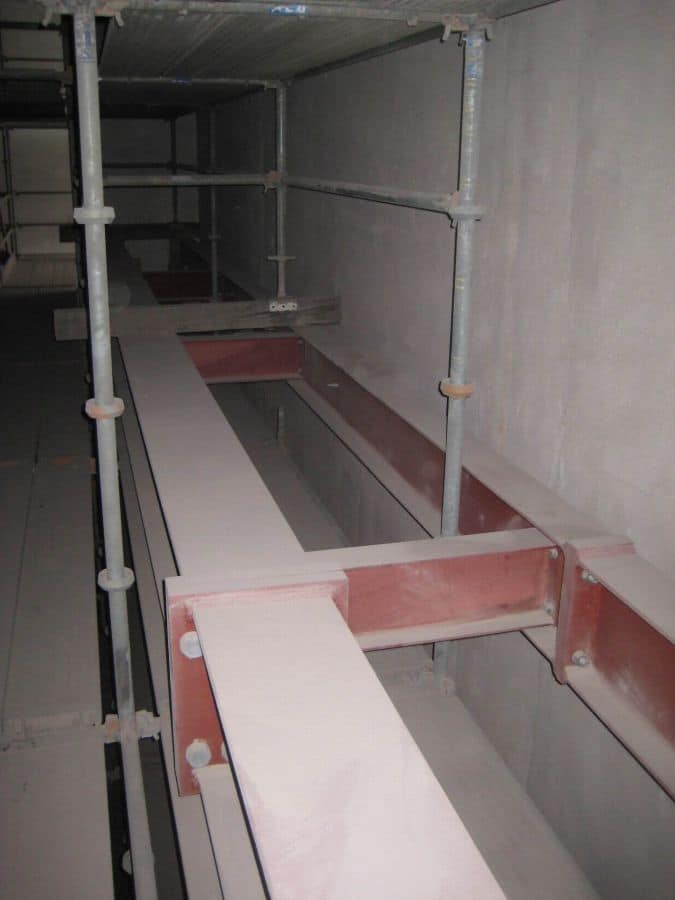
-
- Die ersten Zusatzwindladen in der Fertigung
-
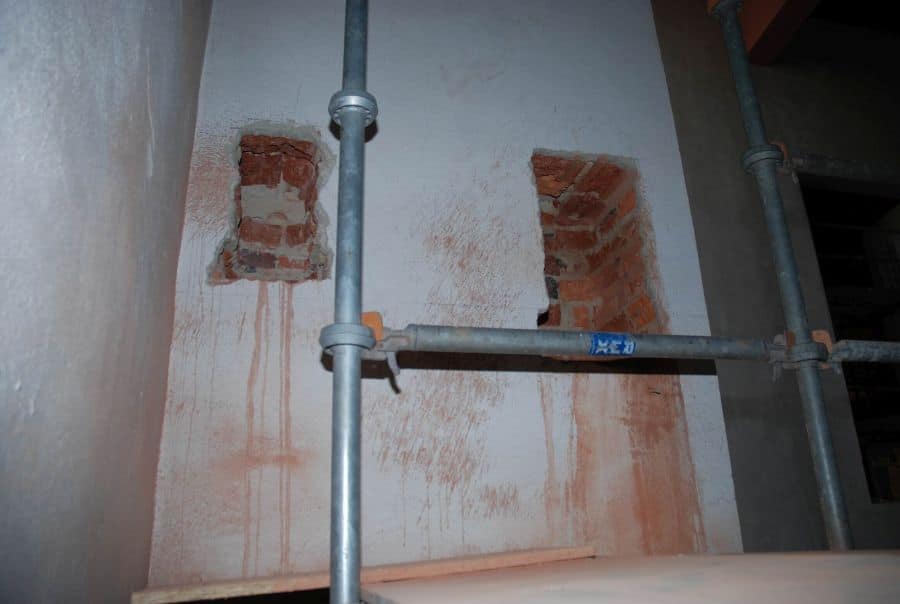
- Die Löcher zur Aufnahme der Stahlträger sind gestemmt
-
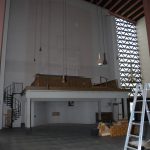
- Die alte Orgel ist demontiert

-
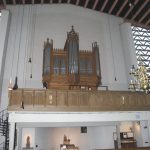
- Der ehemalige neo-gotische Orgelprospekt