— New organ with re-use of the historic organ case —
 The parish church Kreuzerhöhung in Wissen dates back to around the year 1000. After the devastating town fire of 1788, it was rebuilt beginning in 1804. The parish acquired an organ with 8 stops, built in 1793 by Christian Kleine, from the Franciscan Church in Attendorn. In 1849, organ builder Loos of Siegen combined this organ with the former Wetzlar Cathedral organ to create an instrument with 29 stops on two manuals.
During the church’s expansion from 1912 to 1914, architect Mathar gave the church its cruciform floor plan. Taking the Baroque interior into account, he designed the interior to be bright and spacious. In this context, organ builder Fabricius from Kaiserswerth rebuilt the organ in 1912. During this process, the case was enlarged and the mechanical action was replaced by a pneumatic system.
Shortly after World War II, the system had become so prone to malfunctions that negotiations regarding the construction of a new organ began in 1963.

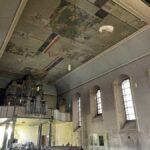
The frescoes in the Church Kreuzerhöhung were created between 1928 and 1931 by the fresco painter Peter Hecker and are considered his most extensive and cohesive body of work. Hecker based his concept on Mathar’s architecture: he decorated the flat ceiling in the nave with scenes from Genesis, the interior of the dome with scenes from the Passion of Christ, and the round vault of the choir with scenes of the glorification of God. Hecker himself restored the frescoes, which had been damaged during World War II, in 1953.
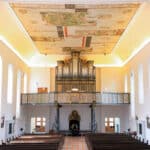
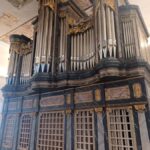
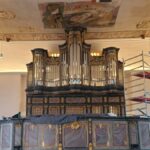
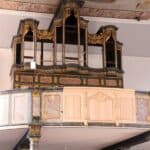
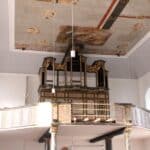
In 1973, Franz Breil restored the late-Baroque organ case to its original dimensions and installed a new organ with 32 stops on three manuals and pedal, incorporating historical stops. A rear positive was also added to the gallery balustrade.

Situation 1973
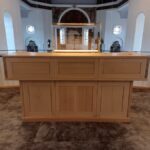
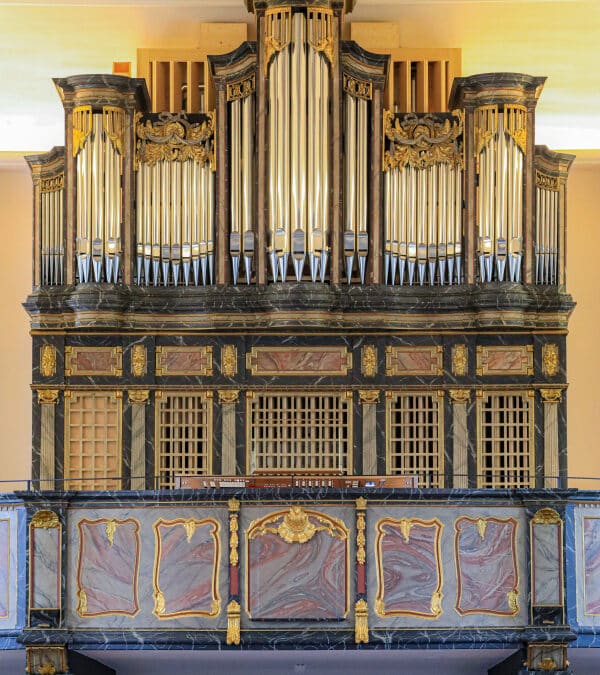
In the church fire on February 10, 2023, the Baroque high altar was destroyed and parts of the ceiling frescoes by Peter Hecker were significantly damaged. The church and the damaged frescoes were subsequently restored. Severe heat damage to the organ had rendered the pipework and technical system unusable, making a complete rebuild necessary. The preserved historic case served as the starting point for a new acoustic and technical design.
A New Organ Inside the Historic Case
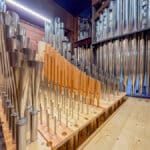
The construction of the new organ at the Parish Church of the Exaltation of the Cross in Wissen was completed with the organ’s consecration on October 4, 2026. A completely new instrument was created within the preserved historic case, with a tonal and technical design specifically tailored to the church interior as well as its liturgical and musical functions.
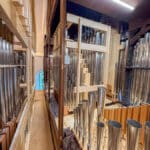
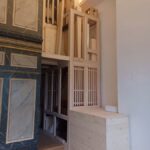
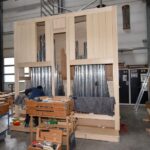
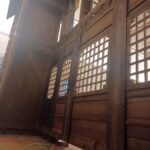
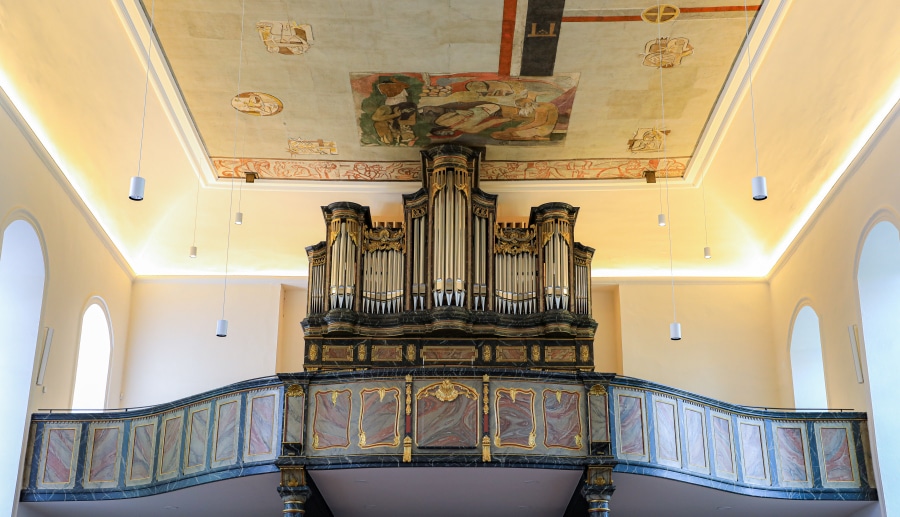
The historic organ façade was restored, while the pipework—which had been rendered unusable by the church fire – and the technical system were completely replaced. The rear positive case, which had been added later, was removed, and the positive was integrated into the main case. We created the additional space required behind the historic case. In this way, the preserved historic form is combined with a distinct new organ.

A Variety of Sounds for Worship Services and Concerts
With its clarity, presence, and projection, the Great forms the tonal foundation of the organ. The expressible Positive complements this foundation with finely nuanced, distinctive timbres. The large, French-Romantic-style Swell enriches the instrument with warm strings, characteristic flutes, and powerful reed stops.
With the positive and the swell, the organ features two expressible manual divisions. They allow for particularly subtle dynamic nuances and smooth transitions between different timbres. The expressive range extends from a delicate pianissimo to a powerful full sound. The focus is on the musical accompaniment of church services, providing robust support for congregational singing. At the same time, the organ offers a wide range of possibilities for interpreting organ repertoire—from Baroque polyphony through Romantic and symphonic works to contemporary music.
New Possibilities for Musical Expression
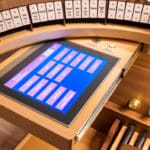
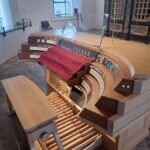
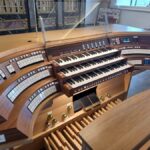
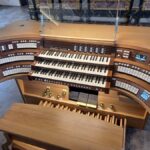
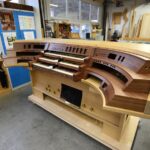
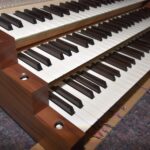
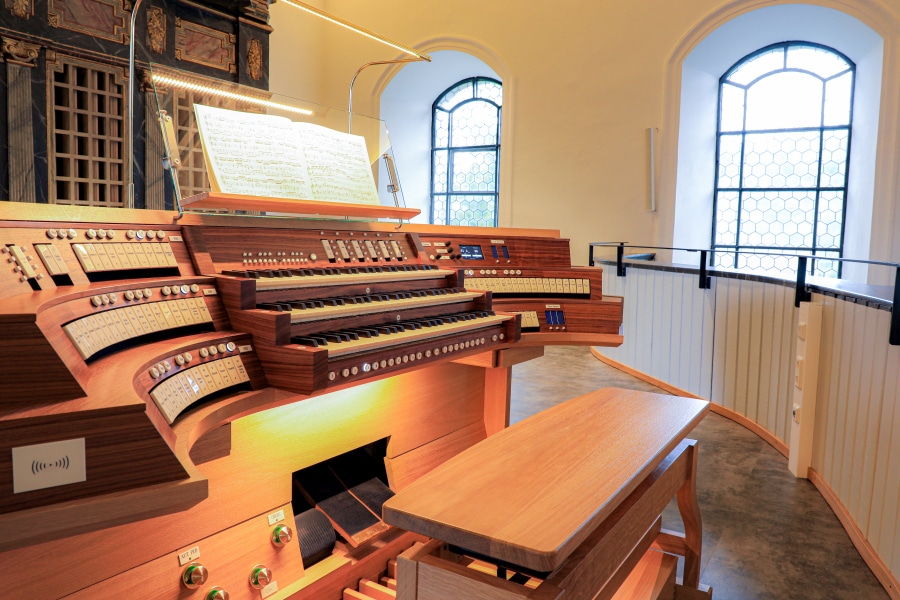
The modern action system opens up additional creative freedom for performing repertoire, improvisation, and composition. In addition to a comprehensive setter system and a recording and playback function, the organ features a multitrack loop generator. This allows musical phrases to be recorded, repeated, and layered over one another across multiple tracks. This allows for the creation of, for example, ostinatos, rhythmic accompaniment patterns, or harmonic soundscapes that can be immediately incorporated into the rest of the performance.
A notable feature is the chord setter. It allows selected stops to be assigned to one or more keyboards and linked to predefined chords. When a single note is played, the preset chord sounds along with it. This function is available across the entire keyboard range and opens up a wide range of possibilities for individual harmonic arrangements.
The mixture setter allows you to create your own sound combinations in addition to the pre-programmed and voiced mixtures. Both the composition of the individual stops and their repetition points can be freely determined. This allows the structures of historical mixtures to serve as models or enables the creation of new, experimental combinations.
All sounds are produced by real organ pipes. Modern control technology expands the instrument’s expressive capabilities and provides organists with additional tools for their musical ideas. The historic case, traditional pipe organ construction, and contemporary playing options thus combine to create an organ that enriches both worship and concert life in Wissen.
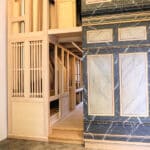
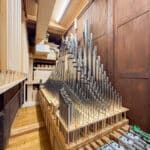
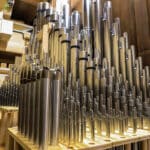
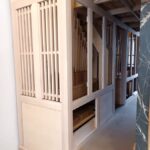
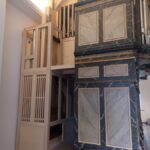
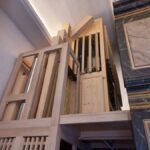
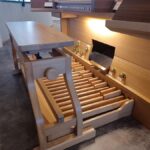
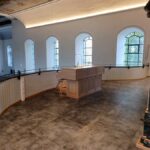
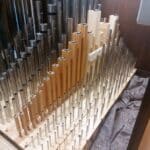
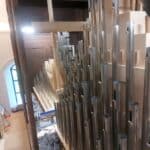
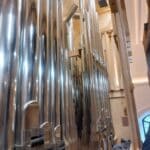
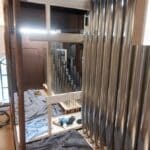
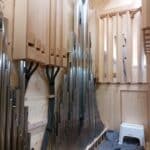
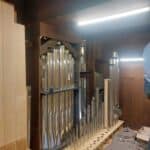
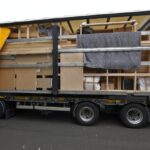
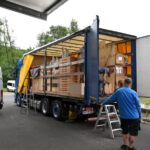
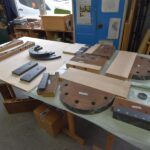
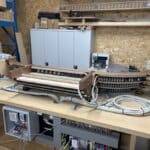
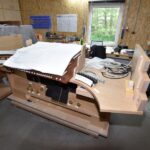
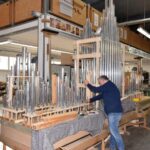
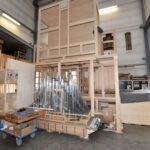
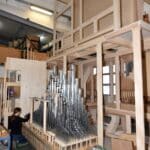
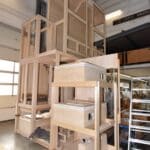
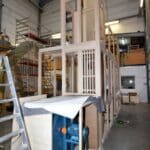
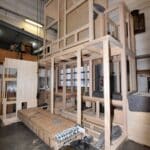
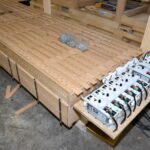
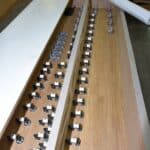
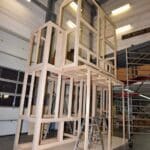
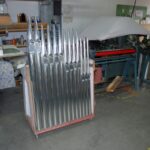
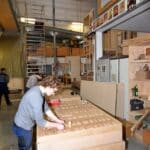
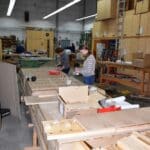
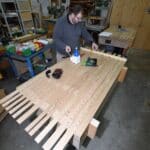
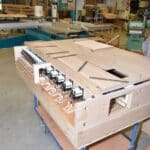
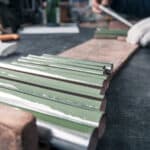
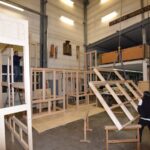
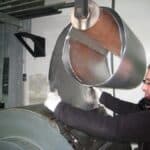
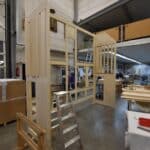
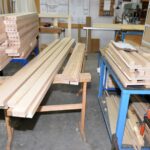
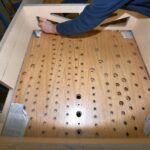
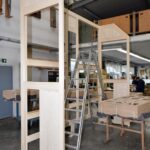
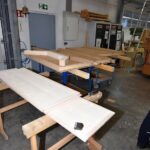
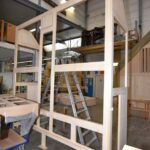
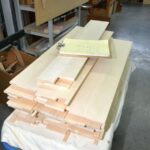
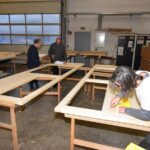
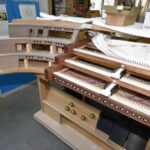
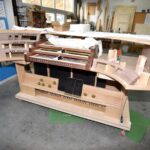
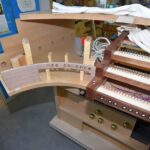
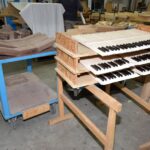
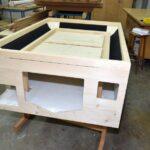
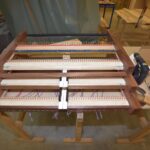
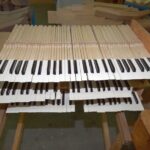
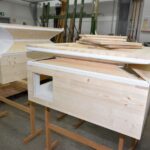
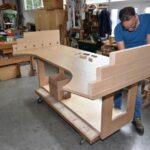
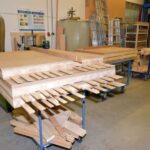
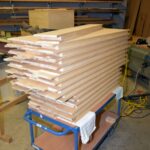
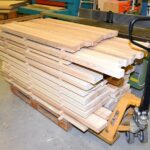
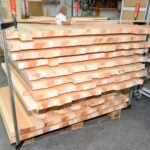
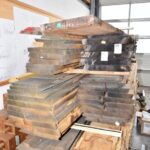
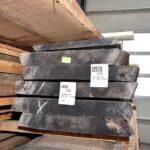
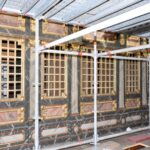
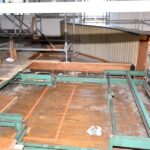
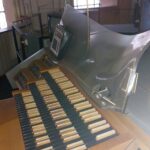
some impressions from the construction of the organ