— New organ —
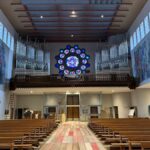
 All Saints’ Church was built in 1955 and was designed by the architect Dr. Winfried Leonhardt and his son Dipl.-Ing. Peter Leonhardt. The rather large and striking building (42 m long, 19.5 m wide, 21 m high) appears warm and closed due to the reddish brickwork visible on the outside.
Inside the church, there are large murals by Prof. Hans Uhl on both long sides, which were created over several years. The saints depicted there look towards the canopy, which was also designed by Prof. Hans Uhl and shows Christ rising from the dead.
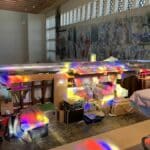
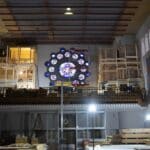
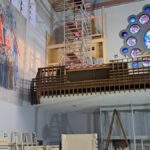
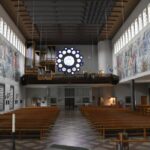
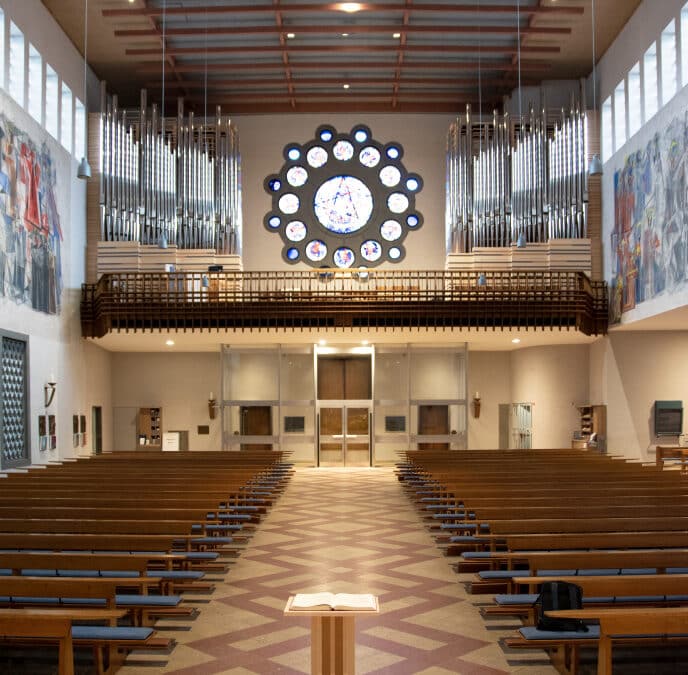
Another striking element of this church design is the rose window in the façade, designed as a Pentecost window: in the middle is the dove of the Spirit, red as a symbol for the flames of fire of the Holy Spirit and for the love of God, gold as the color of holiness, blue as the color of the world (12 outer circles), into which God’s Spirit is to be passed on through the apostles (12 medium-sized circles with flames of fire). The play of colors in the interior changes with the changing daylight, which also falls on the organ.


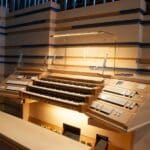
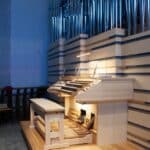
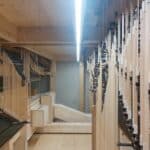
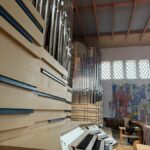
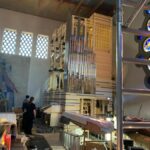
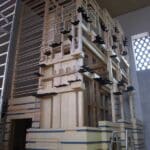
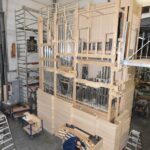
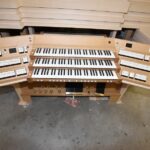
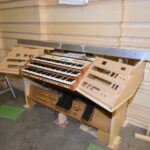
The main idea of the façade design is therefore to incorporate the rear window and the colors present in the room. Due to the large window area and the number of stops, the organ case is divided into two mirrored case elements. The left half of the case contains all three manual stops with the attached console. The right half of the case contains the pedal division and includes the brick staircase. The console is located directly in front of the left-hand half of the case, shifted to the right towards the middle of the gallery in order to maintain better contact with the choir.
The organ has 60 stops spread over three manuals and pedal (including various extensions and transmissions in the pedal division). The specification is designed with two manual divisions with a classical plenum and a swell in the romantic style. It allows a very good representation of compositions from all eras.
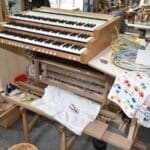
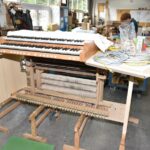
The direct key actions work mechanically. In addition to the exclusively mechanically controlled couplers, a selection of couplers can be selected both mechanically and electrically and the octave- and special couplers are electrically controlled. The stop action is electrically operated and is supported by a setting system. The additive modern action control offers some special functions, such as division-internal sostenuto, a recording and playback function as well as the possibility of creating loops or playing some stops with proportional loop control.
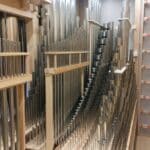
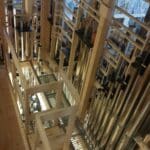
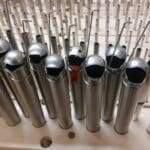
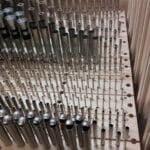
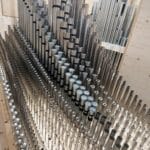
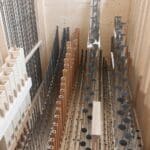
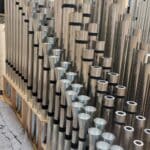
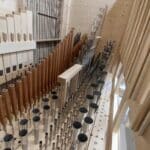
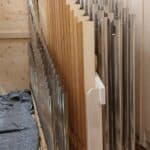
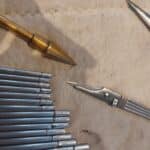
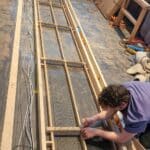
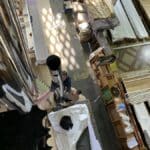
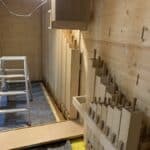
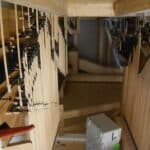
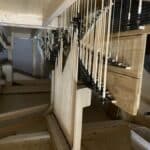
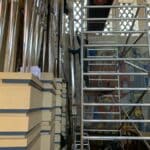
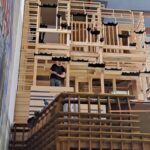
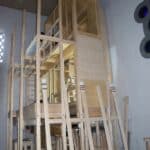
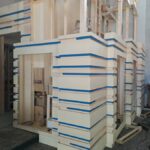
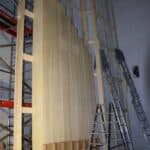
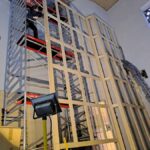
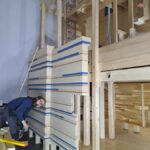
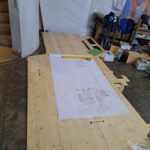
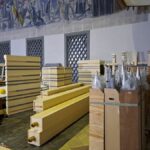
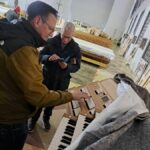
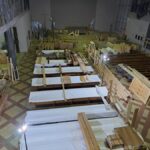
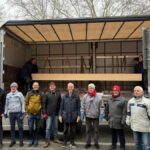
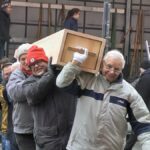
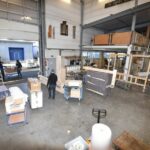
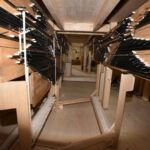
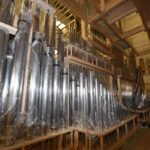
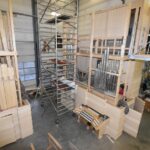
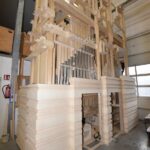
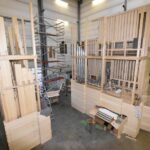
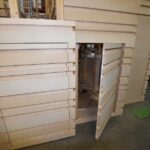
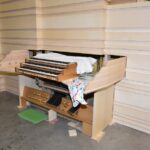
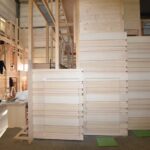
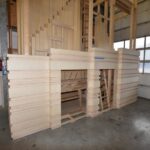
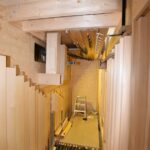
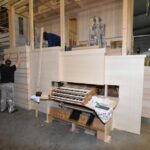
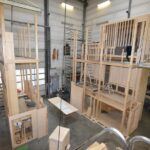
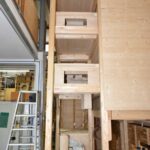
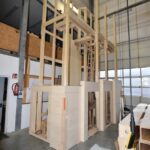
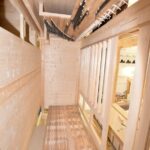
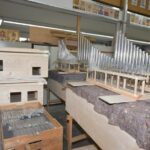
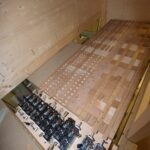
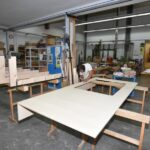
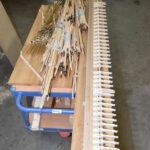
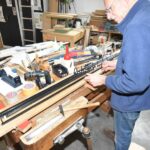
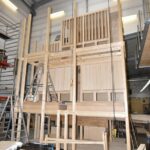
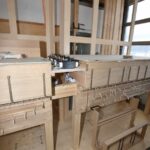
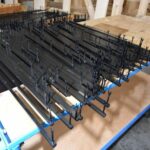
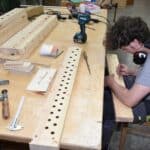
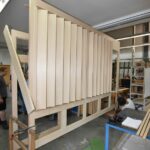
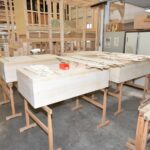
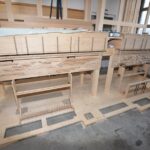
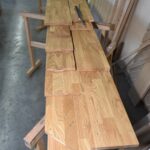
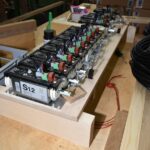
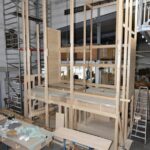
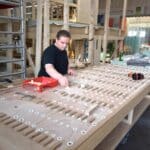
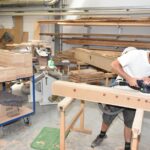
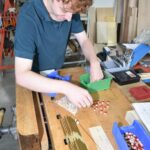
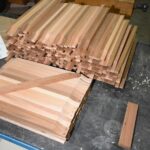
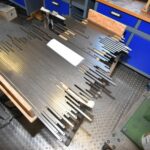
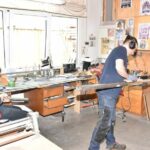
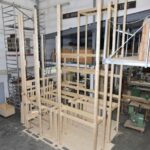
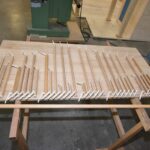
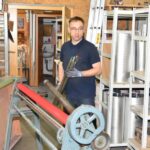
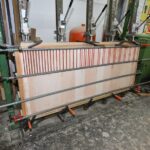
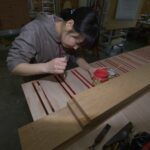
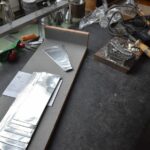
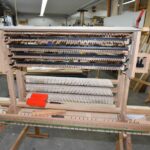
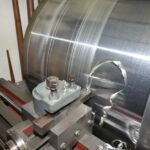
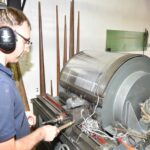
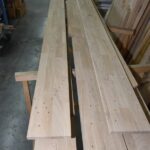
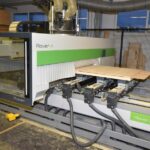
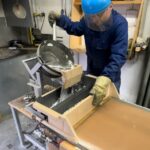
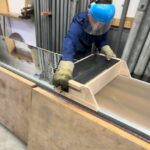
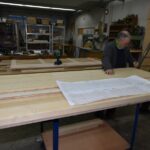
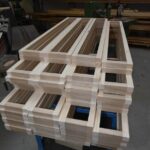
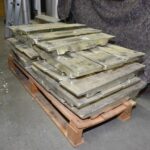
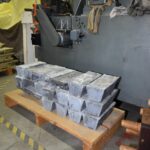
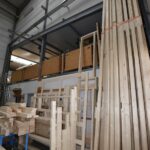
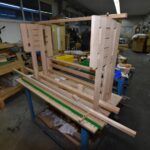
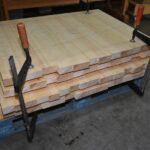
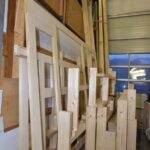
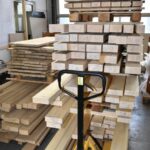
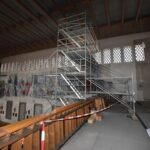
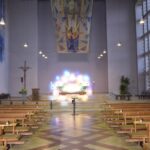
some impressions from the construction of the organ