— New organ with re-use of the historic organ case —
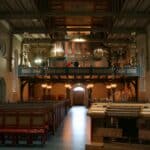
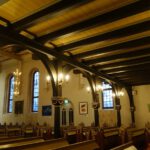
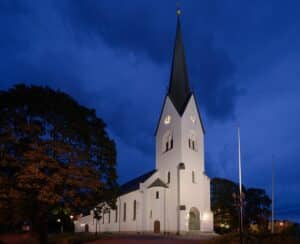 Hamar Cathedral is the bishop’s church of the Lutheran Diocese of Hamar. Built in 1866 from bricks in neo-Romanesque style, the basilica is one of the most important buildings in the wider region.
The German architect Heinrich Ernst Schirmer was responsible for this building. The interior was significantly redesigned in 1953 by the Norwegian architect Arnstein Arneberg.
The first cathedral organ was built in 1880 by Norwegian organ builder August Nilsen. In 1925, Olsen & Jørgensen replaced this instrument with a new organ with 31 stops, distributed on two manuals and pedal. On the occasion of the 100th anniversary of the Church, the instrument was revised and expanded to 35 stops.
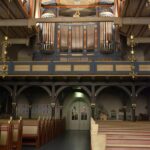
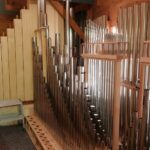
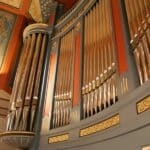
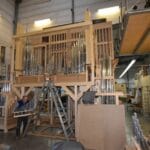
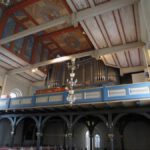
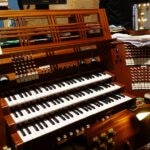
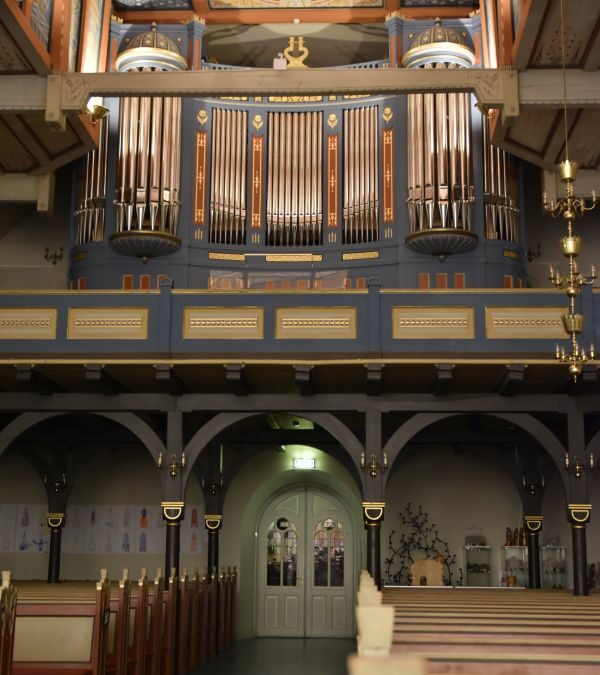
The organ now built by us takes over the historic organ case from 1925 and now contains 45 stops. The tonal concept is based on an organ with two fundamentally rich manuals in the classical style and an additional romantic manual. The positive echo is a small manual in the classical style and allows the playing of the baroque and late baroque masters. The third manual, on the other hand, expands the instrument into a symphonic organ.

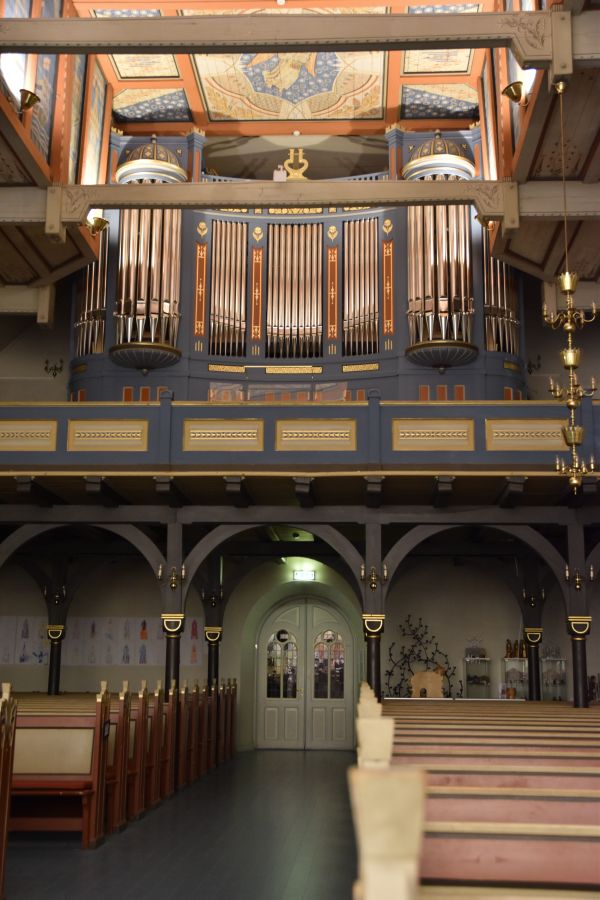
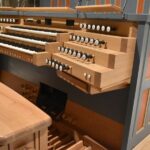
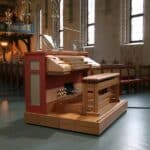
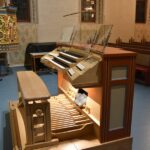
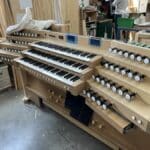
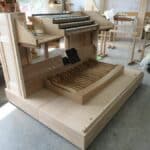
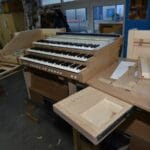
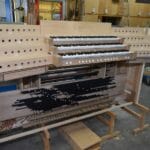
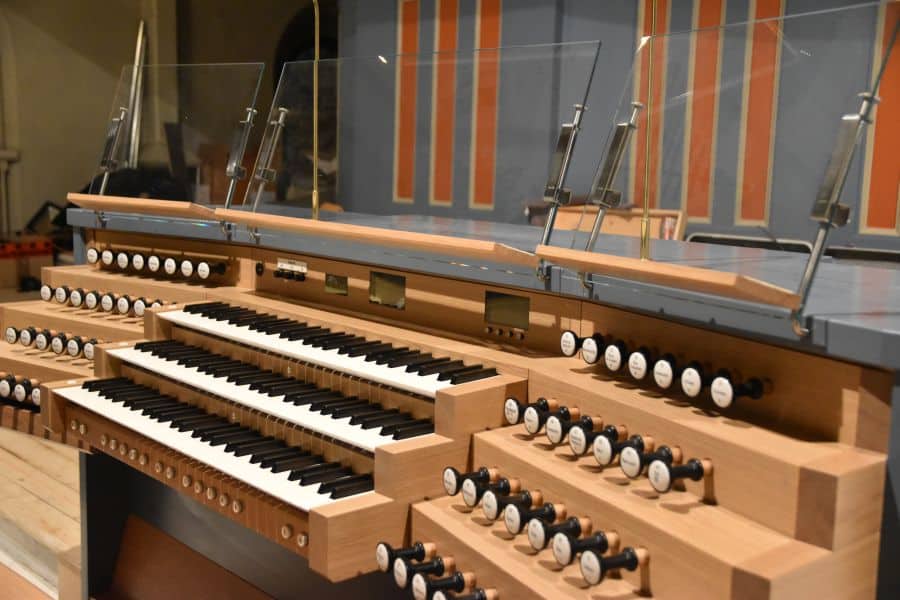
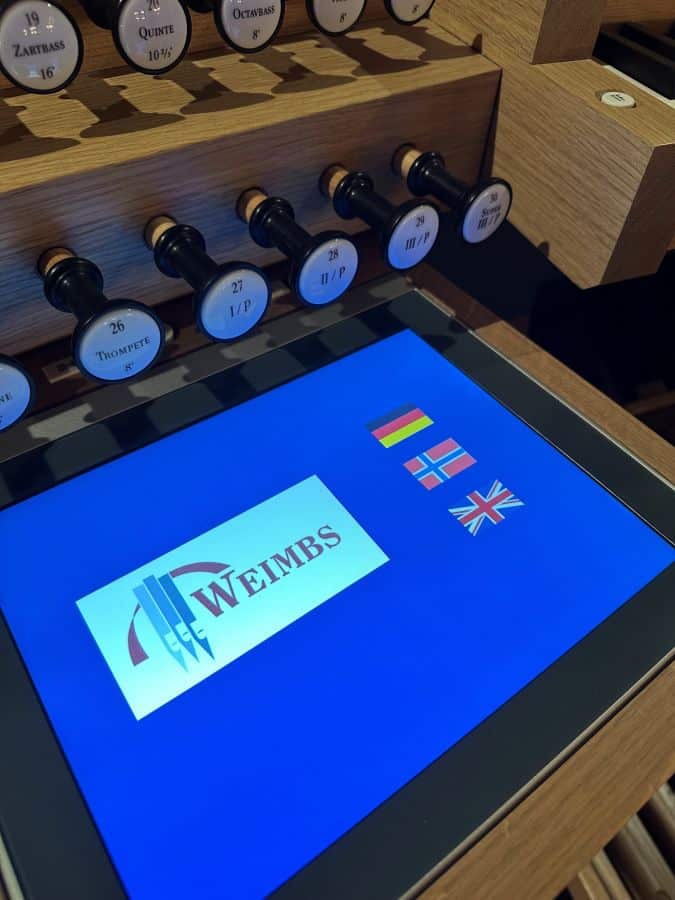
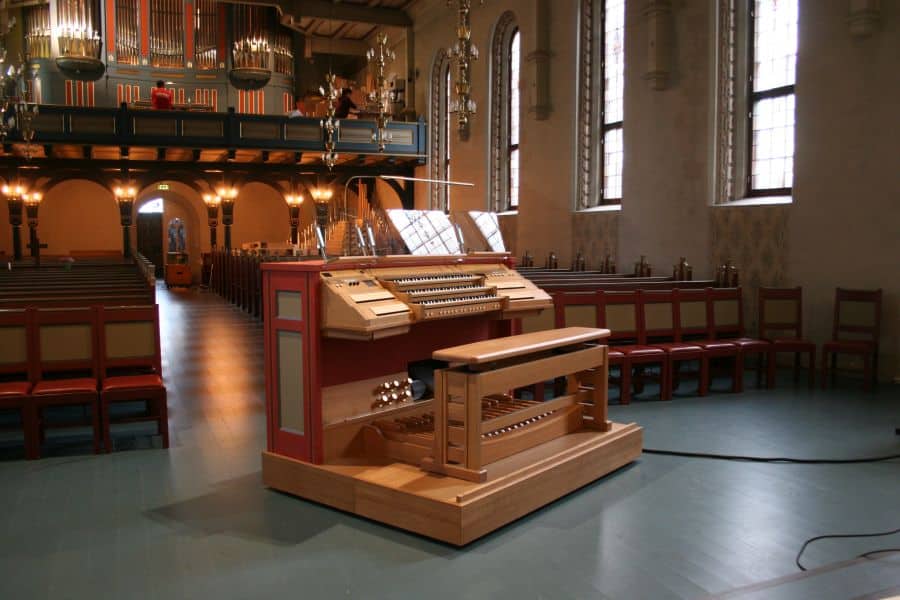
The main console is free, in the middle of the organ gallery with the organist’s gaze towards the organ. The tracker action works mechanically and the stop action electrically. In the church room is an additional pure electric console, which can be played alternatively or additionally.
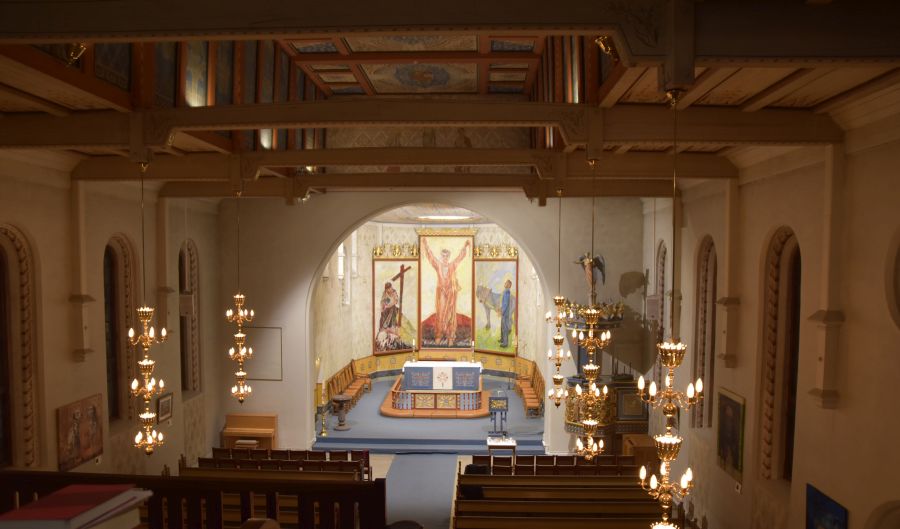
The altarpiece was created in 1953 by Henrik Sørensen and shows the risen Jesus without a beard and with short hair. The ceiling paintings are by Arve Hagen and depict the Holy Spirit as well as angels playing music. The pulpit carvings were made by Anthon Røvik, which also shows a portrait of Francis of Assisi. The windows are decorated with paintings, probably inspired by medieval tapestries.
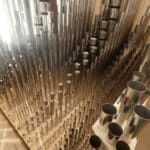
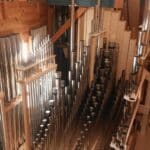
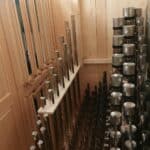
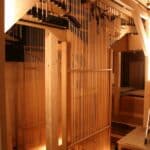
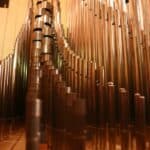
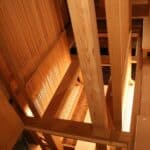
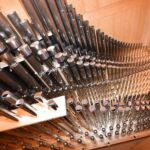
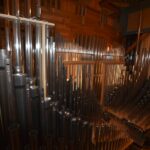
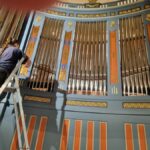
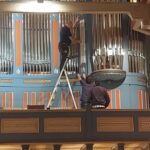
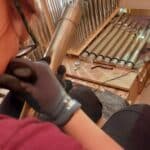
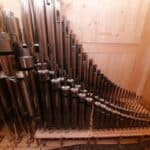
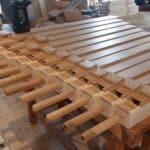
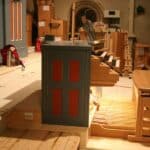
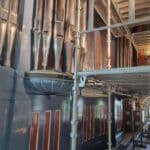
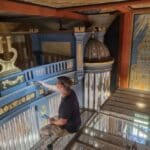
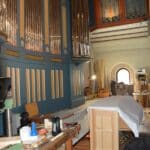
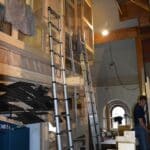
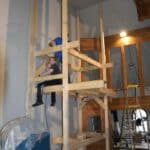
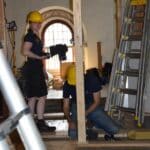
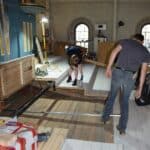
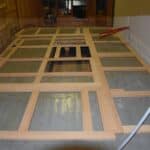
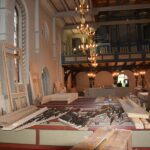
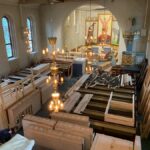
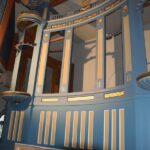
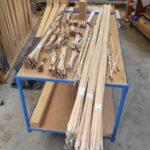
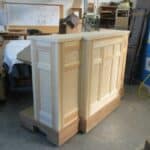
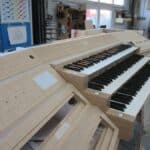
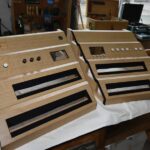
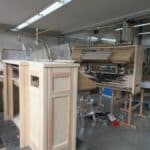
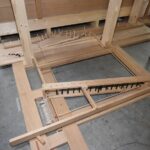
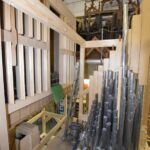
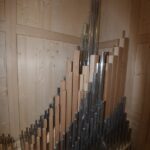
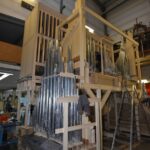
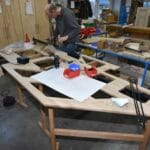
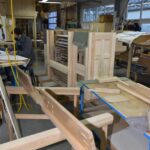
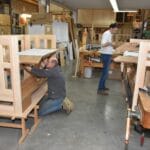
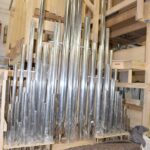
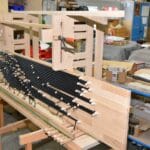
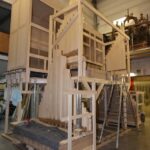
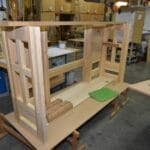
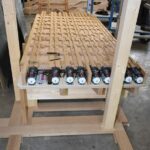
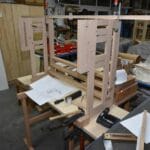
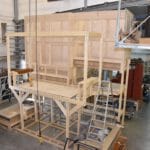
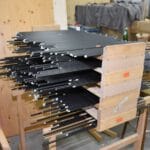
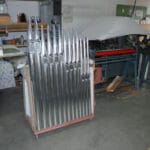
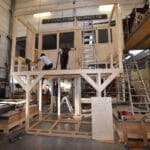
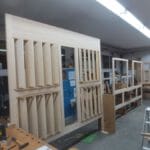
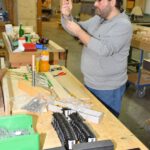
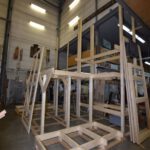
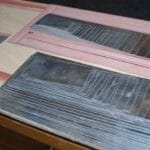
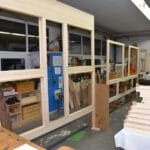
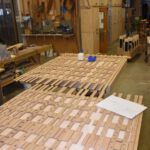
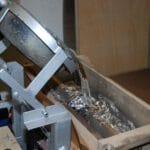
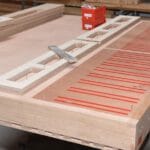
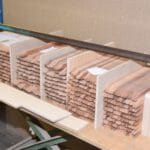
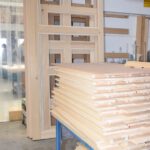
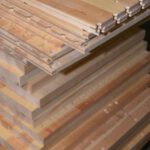
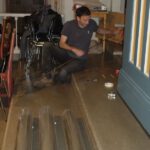
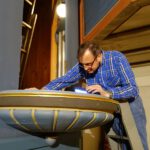
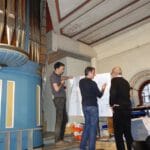
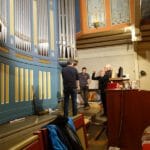
some impressions from the construction of the organ