— new organ —
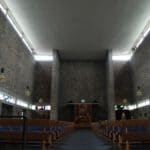
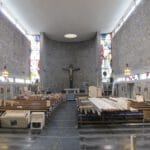
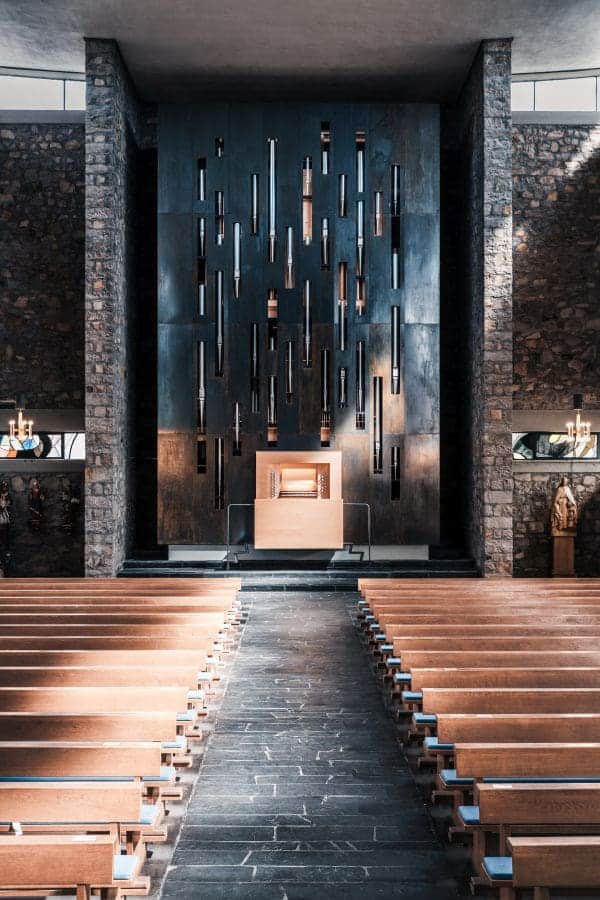 After we achieved in 2016 together with the architects of HHS Planer + Architekten AG from Kassel the first place for the design and conception of a possible new organ for the Holy Spirit Church in Hanau, we were finally commissioned to realize this exciting project in 2018.The Church of the Holy Spirit was built in 1961/62 according to plans by the architect Johannes Krahn. As a master student of Dominikus Böhm, he is one of the pioneers of New Building in the church sector. His redesign of Frankfurt’s Paul’s Church is well known. As an employee of Rudolf Schwarz, he was involved in the planning of St. Fronleichnam in Aachen in 1929/30 which already shows the cubic structures connected with the Bauhaus that also shape the appearance of the Holy Spirit in Hanau.
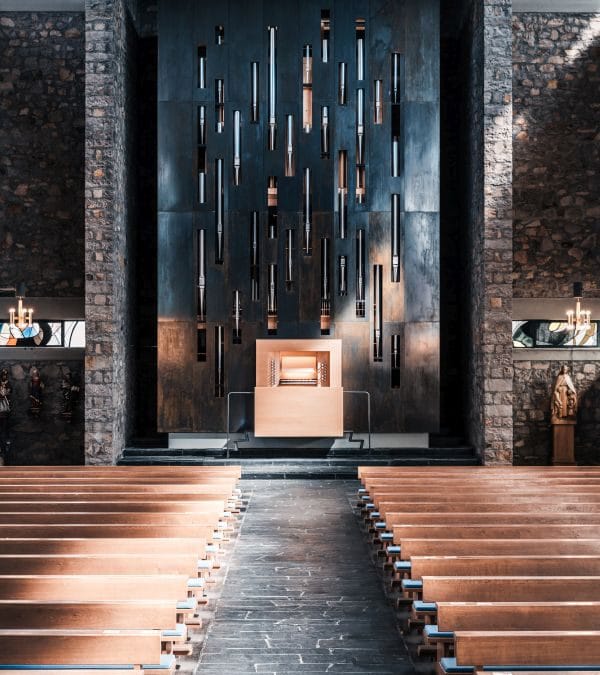
Finding a conclusive design response to this architectural gesture that is at the same time feasible from the technical point of view of organ building is a particular challenge. Organ fronts tend to form tower-like structures; with their front pipes made of tin, they set (slightly too) striking accents in such a context. The building material wood, which is widely used for organ cases, may seem strange in this environment. The solution here was to adopt the principle of passepartout: The organ does not appear – as usual – as a body in space; rather it fills the existing wall niche optically and acoustically; at the same time it serves to concentrate and reflect the sound.
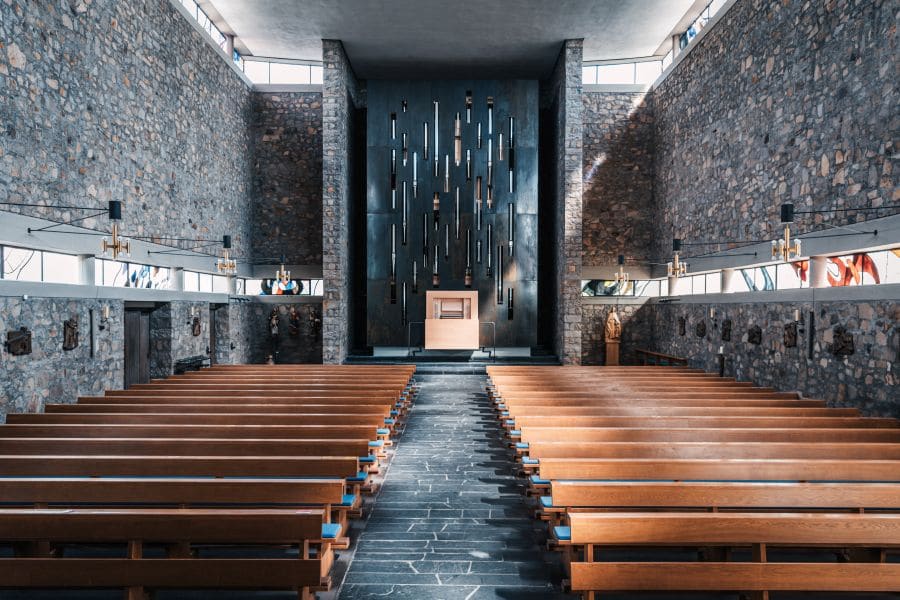
Congenial synthesis of space, surface and furnishing object
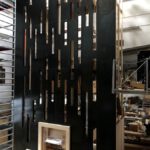
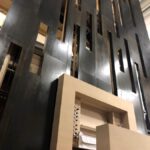
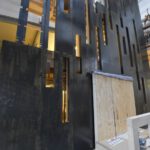
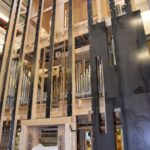
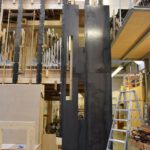
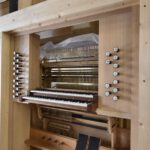
As usually the largest piece of equipment of churches, an organ is usually an independently planned body in the room, a “house within a house. ” Here, on the other hand, the somewhat brittle, flat interior design became the starting point for the planning of the instrument; the building houses the organ. The niche position reversed the principle of “organ housing” and transformed it into a “room within a room. ” Thus, the cubic structure was inverse. The generous level of the organ front continues the neighbouring, simple wall surfaces and varies them in appearance and with their breakthroughs. The viewers become aware of the fact that just behind this particular area in the room there is something precious. – The vertical slits allow individual organ pipes to shine through as luminous elements and in their longitudinal shape are reminiscent of wind instruments. If organs in similar churches either disappeared behind meaningless screens or ended up with unmotivated “furnishings” that are detrimental to the tranquility of such a simple space, this innovative concept creates a unique congeniality of space, surface and furnishings: The music is to be guessed, but it doesn’t come to the fore. Technical elements, such as the swell, which are difficult to integrate into an attractive front design, are invisibly integrated into the overall architecture. – The distance with its shadow fugue to the console and its contrasting optics emphasise that music is only brought to life by the people who play the organ.
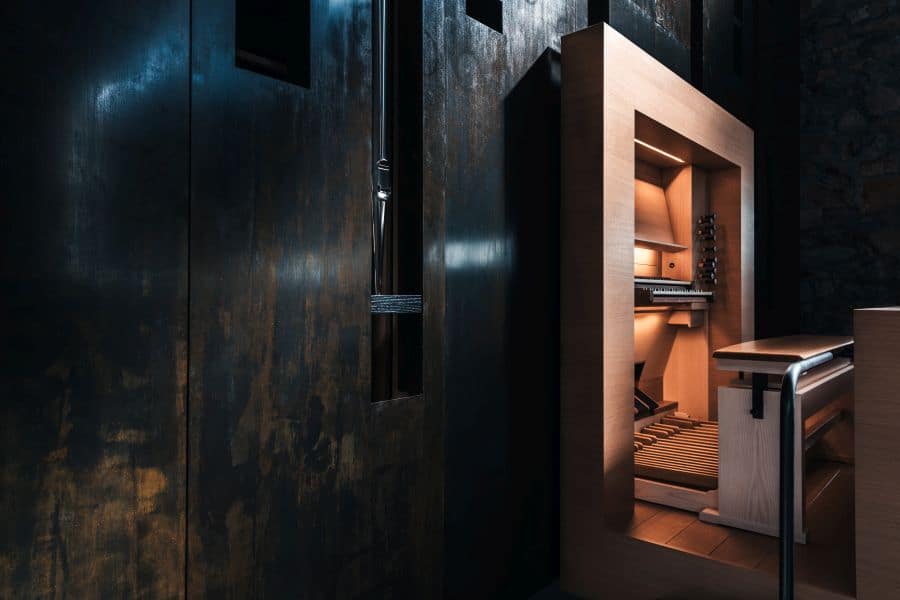
Exceptional choice of material for the organ exterior
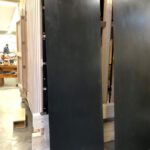
After all, it is particularly difficult to add such a strong new component to an architecturally closed whole within a period of 60 years. This discrepancy was overcome by the use of steel plates for the front of the organ – an absolute novelty in the two thousand-year history of the organ. The construction of the haptically important elements in wood, on the other hand, represents the greater need for “warm” surfaces than the cool objectivity of the 1960s. The combination of these materials is another unique selling point of this organ and combines two almost diametric aesthetic currents.
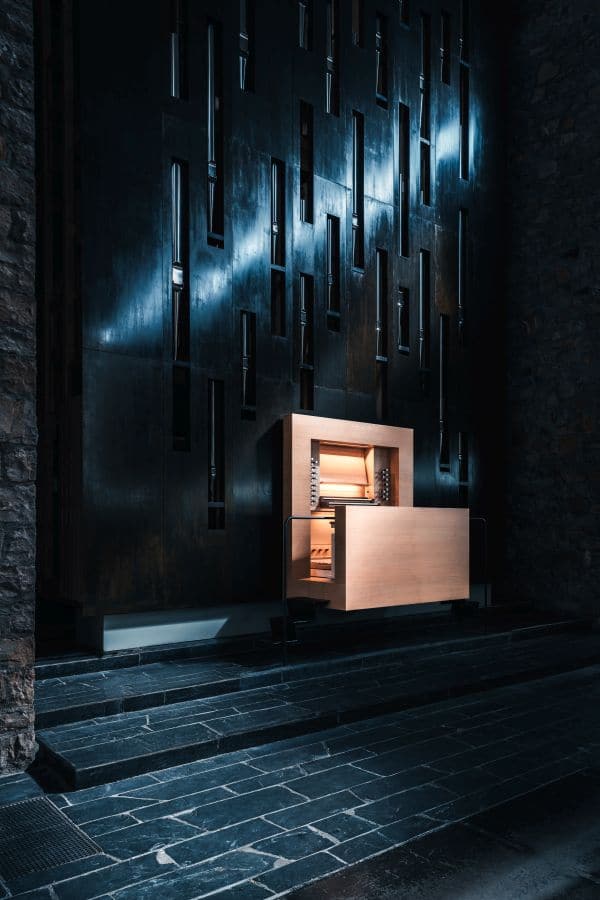
Merging of apparent opposites:
Appearance of the 21st century and classical musical instrument
No one would imagine behind a surface made of sheet steel a thoroughly classically built organ, as it could have been created by Silbermann or Schnitger some 300 years ago. But this is exactly what the new concept in Hanau has achieved – without affecting the unity of the church architecture or making the construction of the organ more difficult.

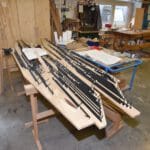
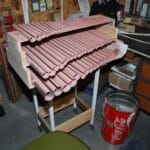
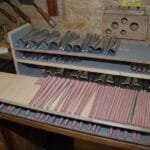
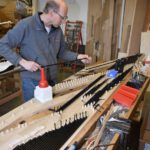
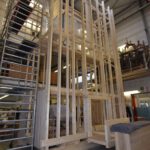
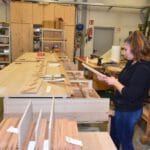
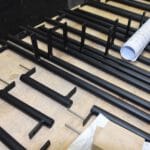
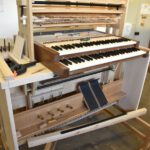
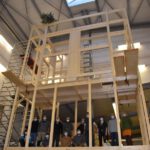
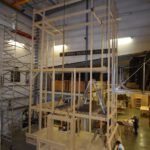
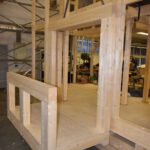
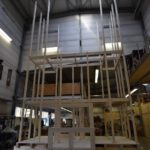
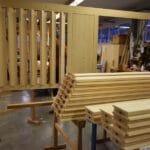
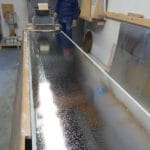
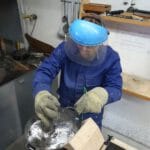
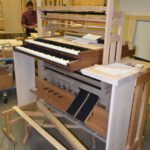
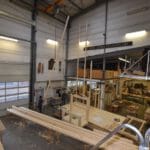
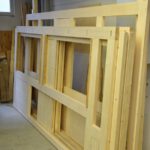
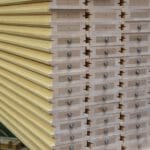
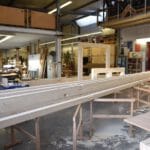
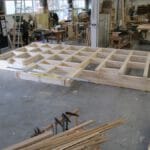
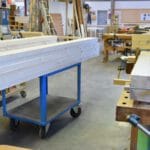
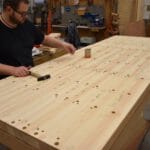
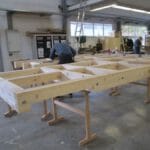
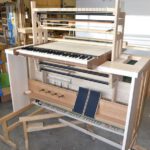
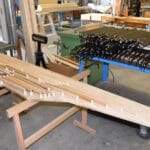
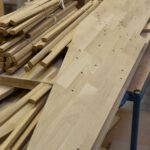
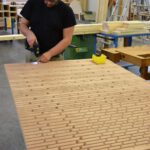
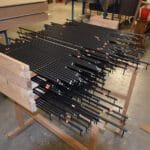
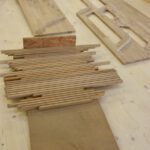
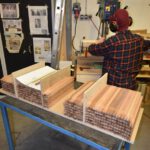
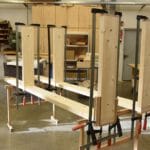
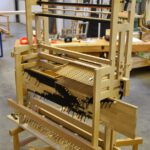
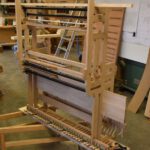
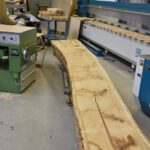
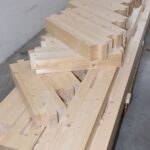
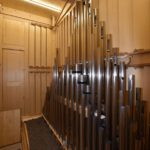
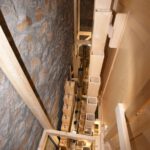
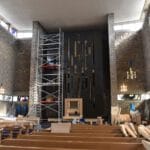
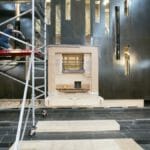
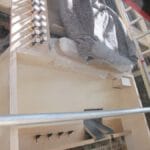
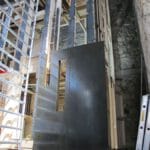
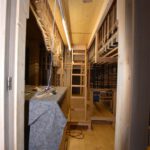
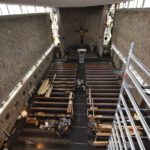
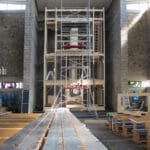
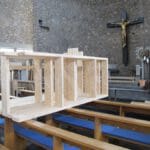
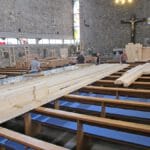
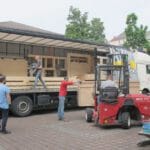
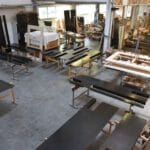
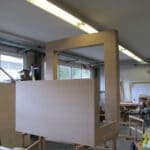
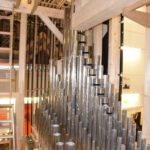
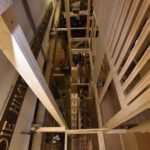
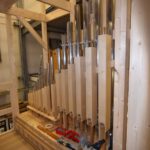
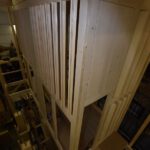
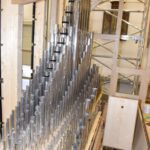
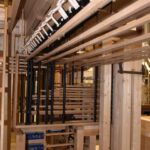
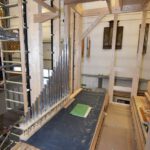
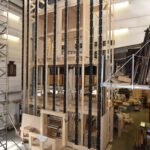
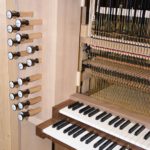
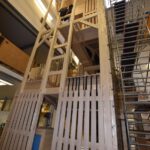
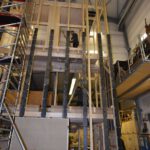
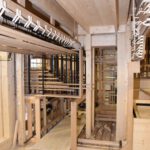
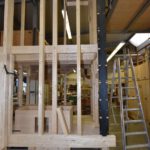
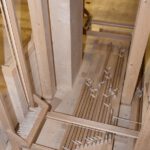
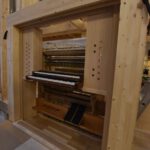
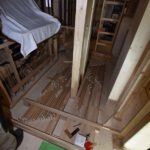
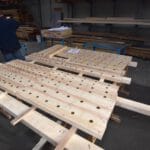
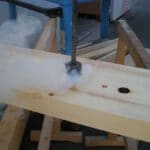
some impressions from the construction of the organ
-
- Orgelbau Weimbs
-
- OLYMPUS DIGITAL CAMERA