— New organ with re-use of the historic organ case —
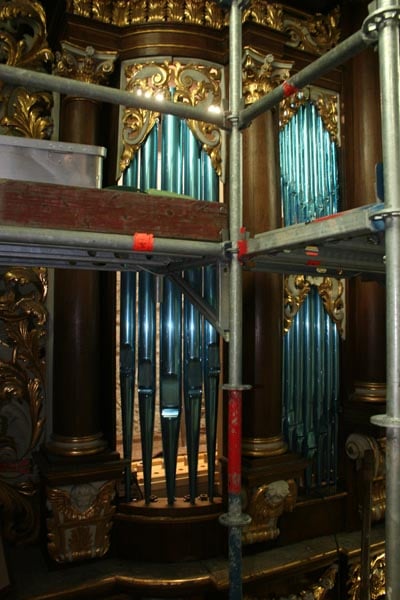
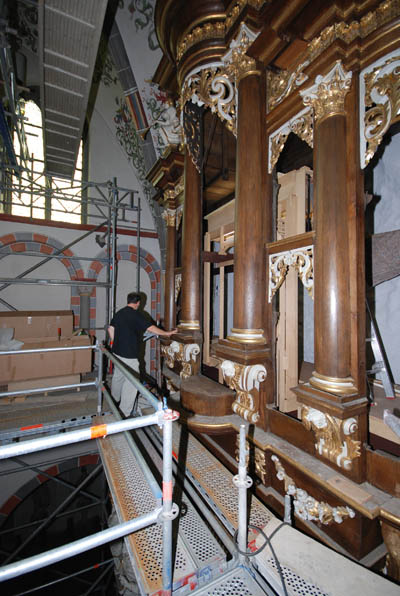
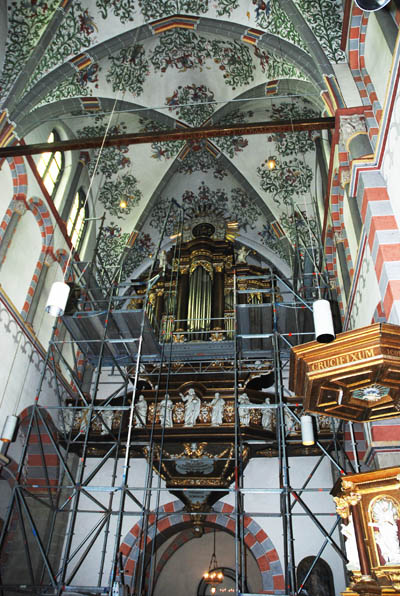
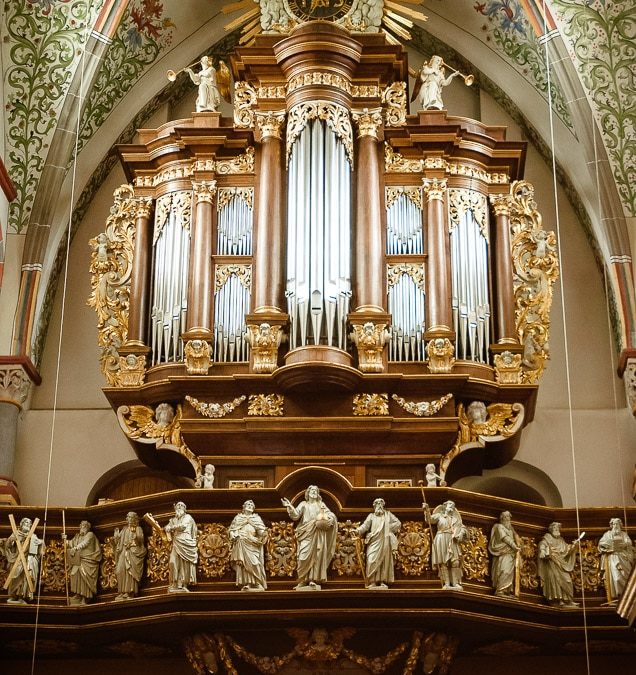
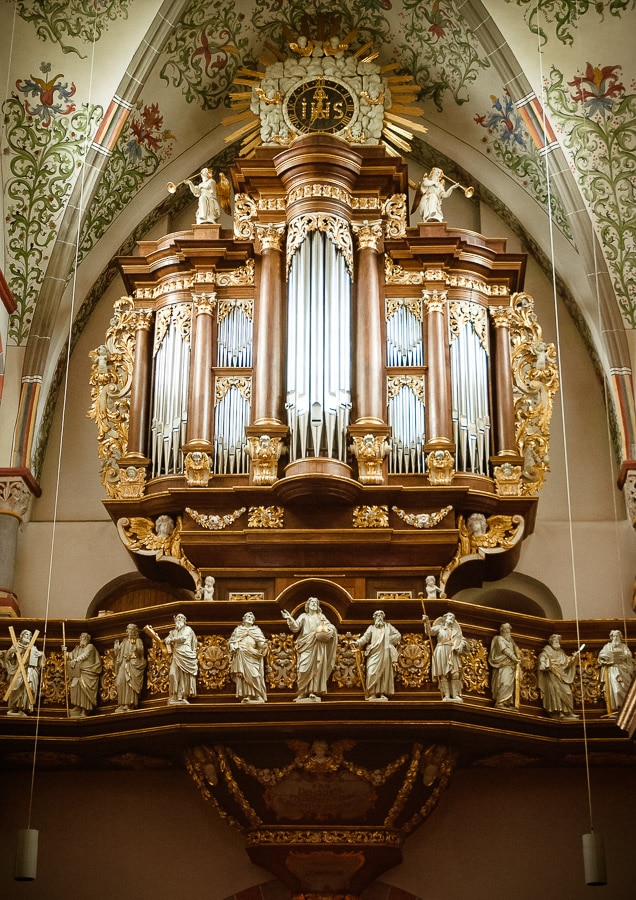 The abbey church of St. Nicholas has a very decorative historical organ case, which probably originated in the 17th century and was likely extended in 1715 by Balthasar König (1684-1756). In the late 1960s, the organ underwent a fundamental reconstruction. The entire interior including the construction frames and even the console have been removed. A in those days considered state of the art instrument with all state of the art materials have been built into the historic case work.
After weighing all the facts the organ expert of the archdiocese of Cologne concluded in 2007 that repairing the instrument would be disproportionate to the result and therefore recommended a new construction of the organ interior, technically and sound stylistically based on the organs of the early 18th century.
Historically documentet is an instrument with 24 stops, distributed to Great and Positive divisions and coupled pedal. The Great division had a compass of G-c³ = 54 keys, the second manual had the compass C, D-c³ without bottom C# = 48 keys. The pedal had 25 keys ranging from G-g ° and was permanently coupled to the first manual.
Such strict re-construction was not desirable, not least for reasons of its severely restrictive practicality. What was needed was a new instrument in the historical style, whereby, however, the contemporary knowledge and requirements should be considered and incorporated.
Concept:
The objective of this project was to build a new organ into the historical case work. Since sound and organ case should not be considered seperate from each other, the stop specification is based on organs typical for the Rhineland in the 18th century. Especially the traditional organ style of the König family was taken as a guideline here.
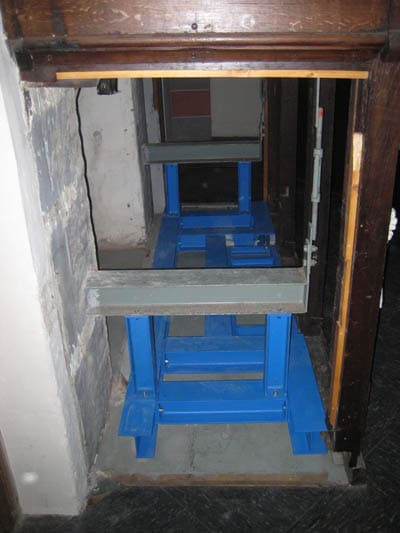
In direct connection with the sound stands the wind supply. The use of two large wedge shaped bellows was therefore an important element in this concept. In order to ensure a sufficient amount of high-quality wind, a large low-revolution blower is used. The entire installation of the wind supply was placed in the St. Michael’s Chapel, directly behind the organ.
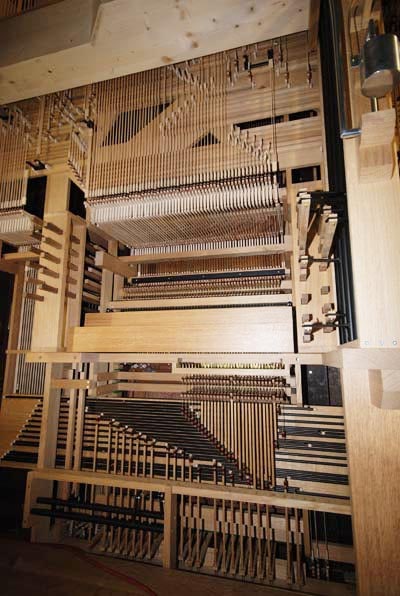
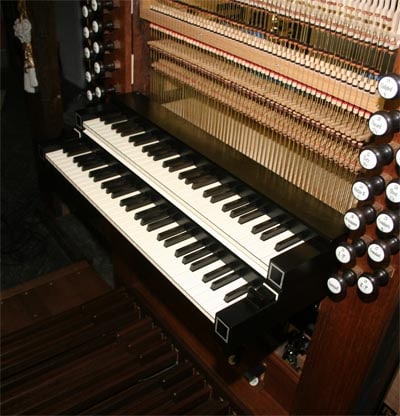
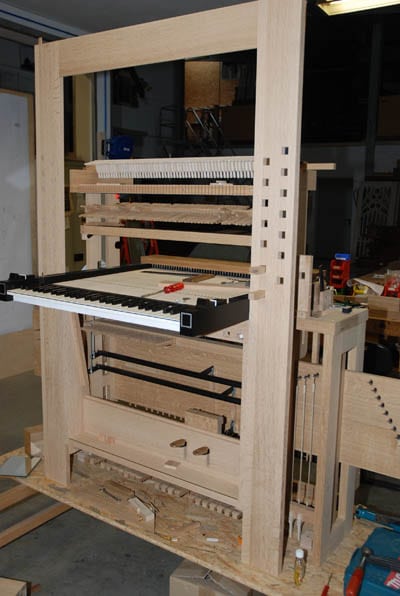
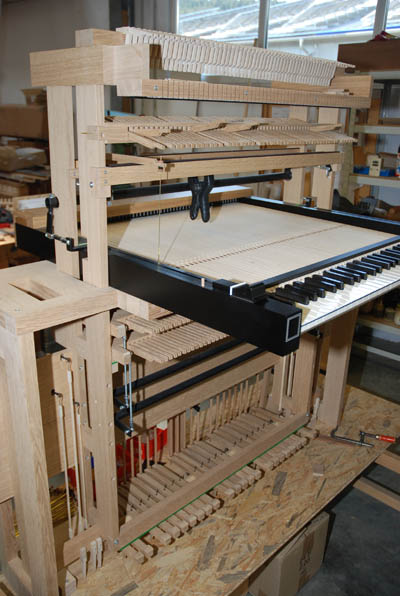
The design of the console system was done in a classic historical manner. The purely mechanical actions run from there on direct route to the sound boards. The importan visual aspects, consisting of the keyboards and the drawstop boards, are designed in accordance to original instruments of the organ builder dynasty König.

Link to church music at Brauweiler Abbey
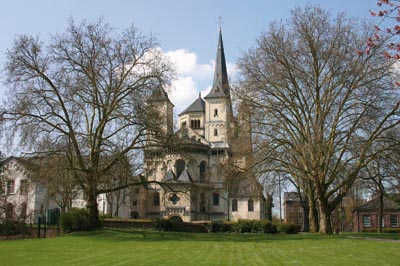

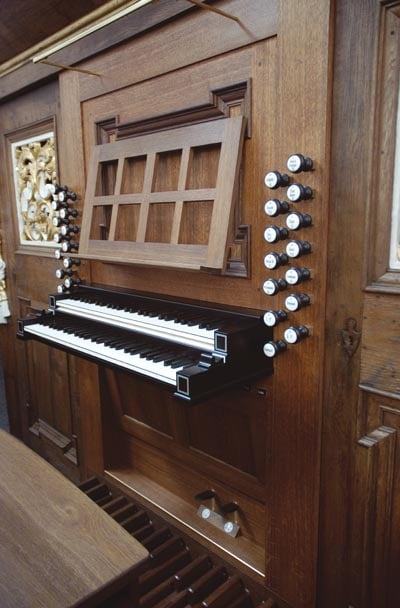
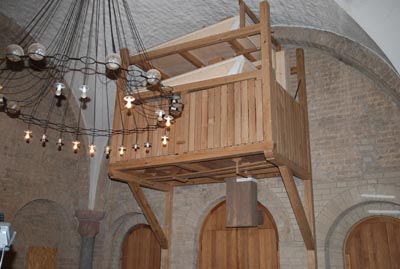
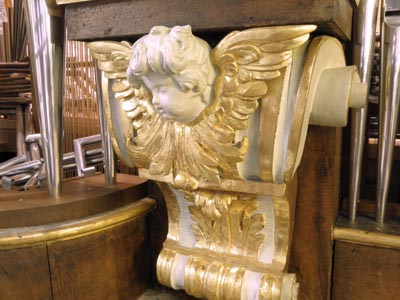
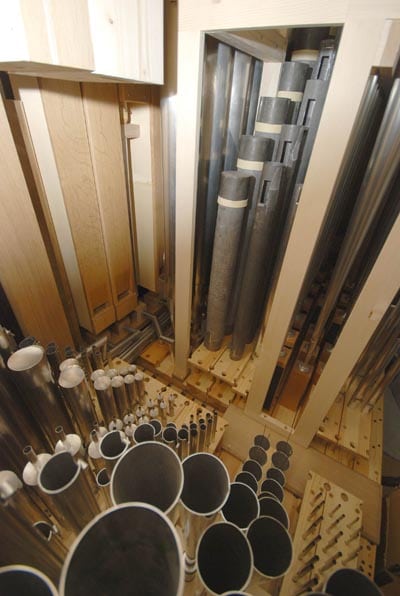
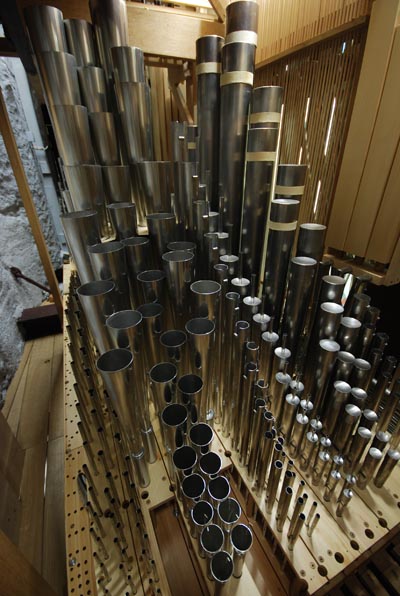
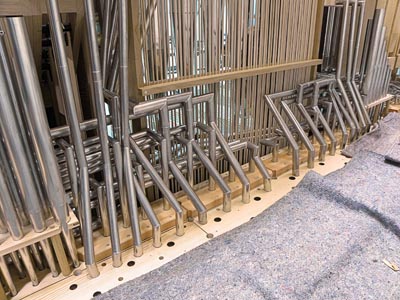
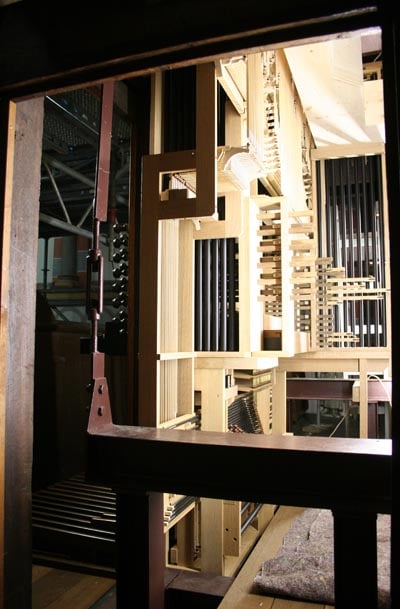
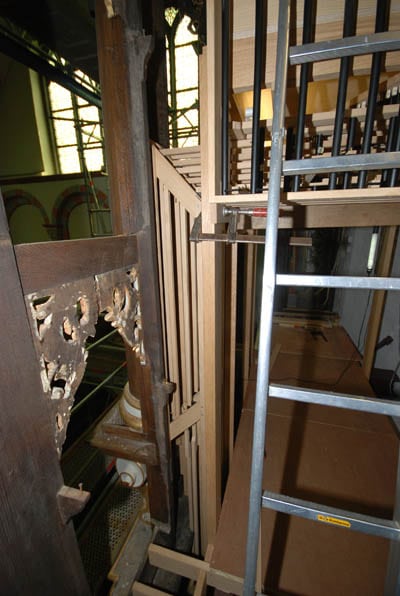
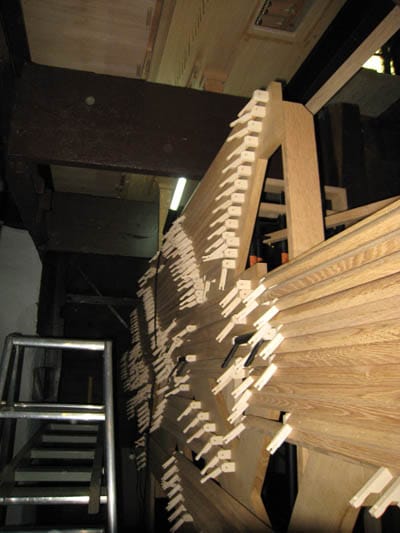
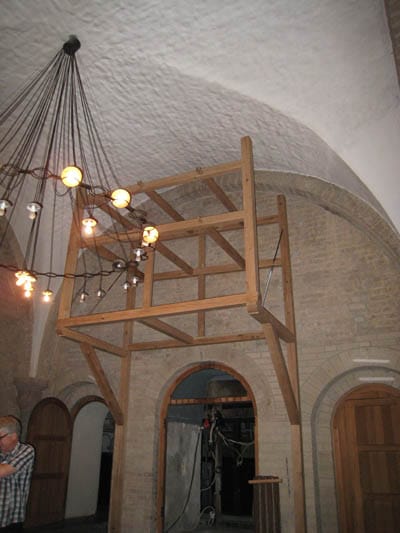
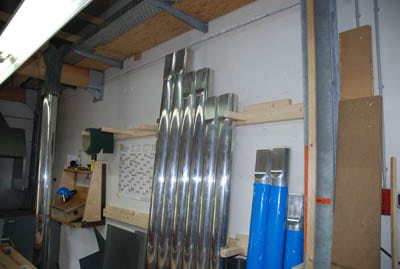
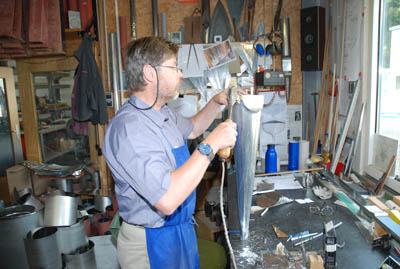
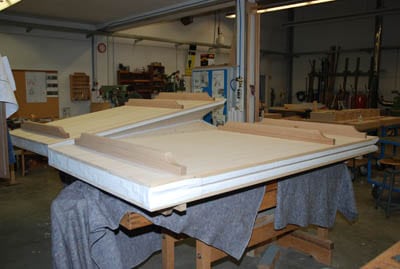
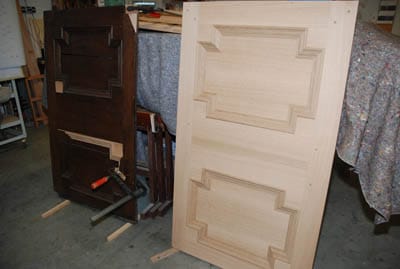
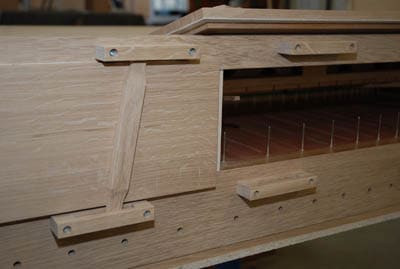
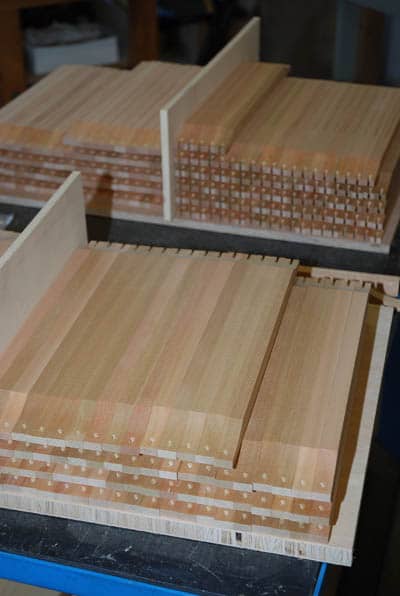
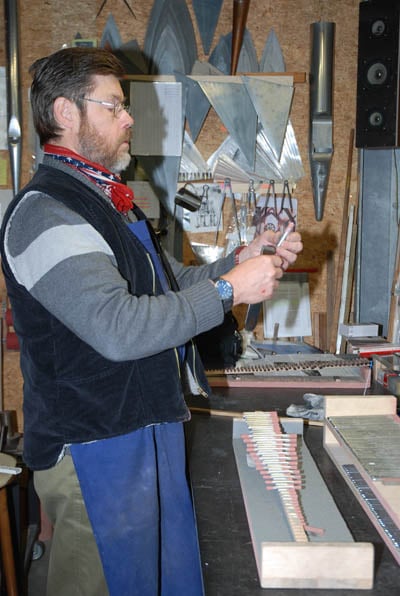
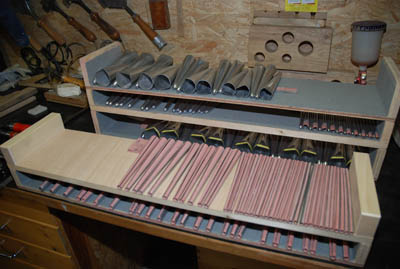
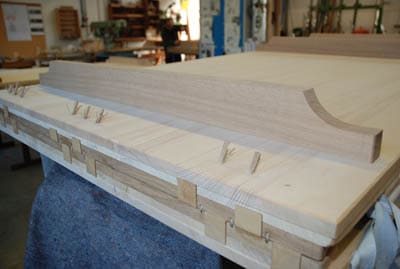
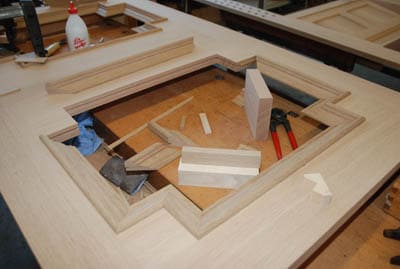
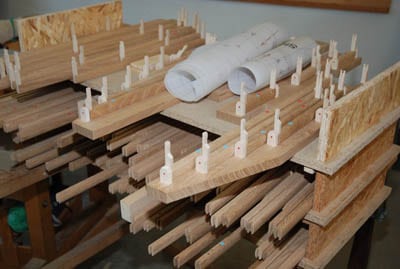
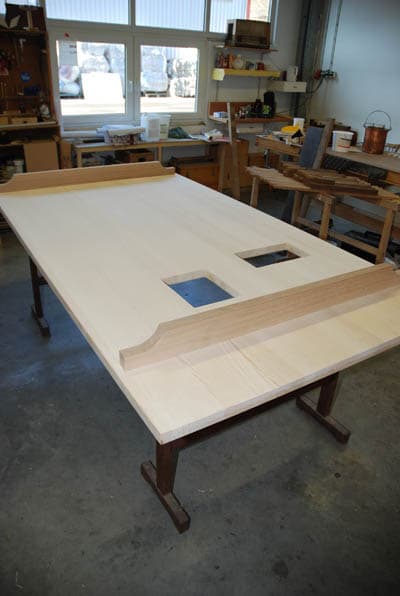
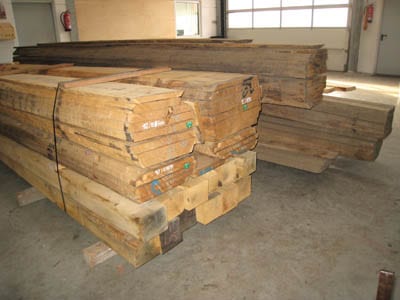
some impressions from the construction of the organ